LeBron’s Last Season was Absurd

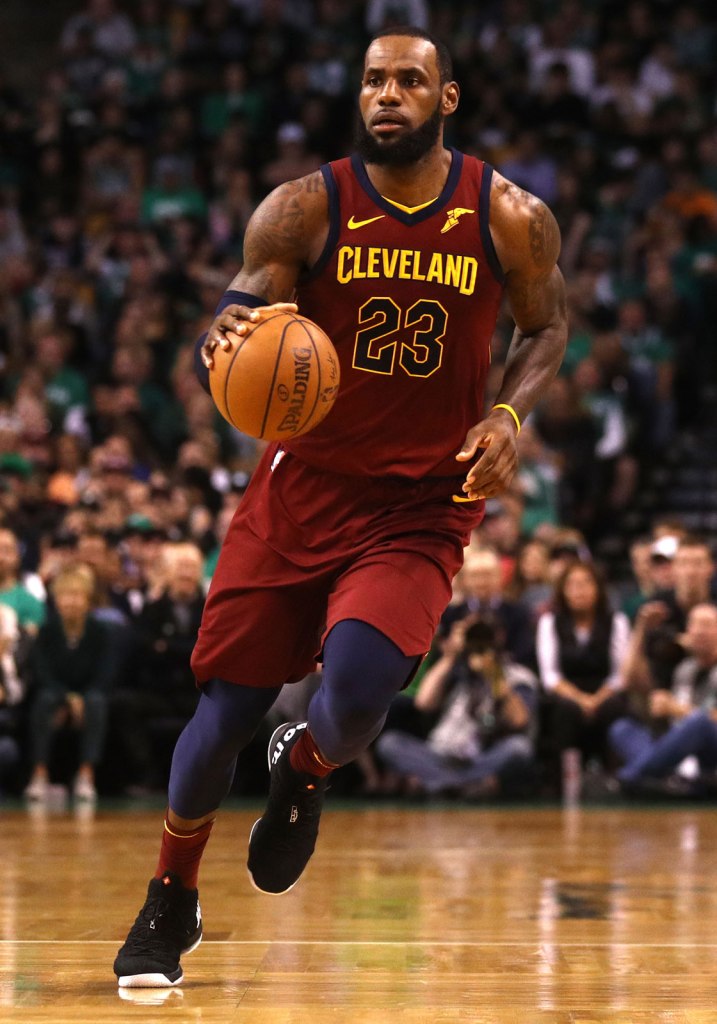
LeBron James is now 37 years old. 37. Yet he’s still easily one of the best basketball players in the world. He now has 19 seasons of wear and tear at the elite level on his body, but still plays as if he’s not suffered a single injury at all. Not only has he played 19 seasons in the NBA, he has also reached the finals 10 times, so add onto the 19 seasons 10 deep playoff runs. LeBron’s efficiency and production should have dropped off a cliff by now, but somehow he just had arguably his best season in the last 5 years. LeBron finished with MVP votes again and made an All-NBA team in his 19th season. Players should not be this good after 19 seasons at the highest level. He was absurdly good last season, but how good exactly?

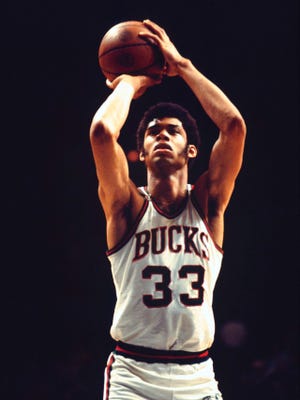
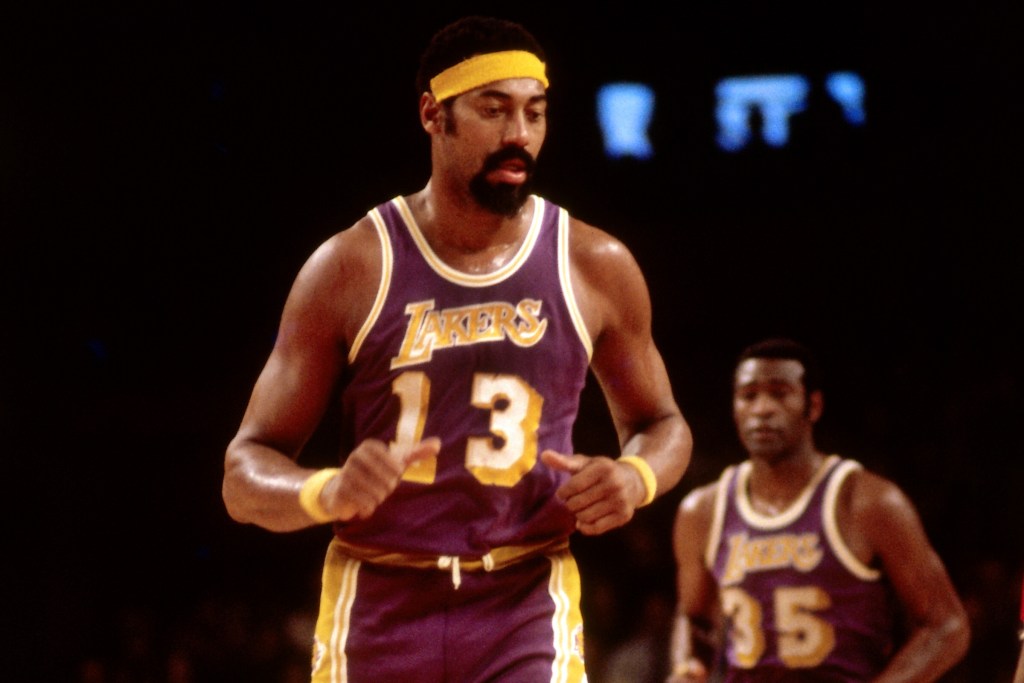
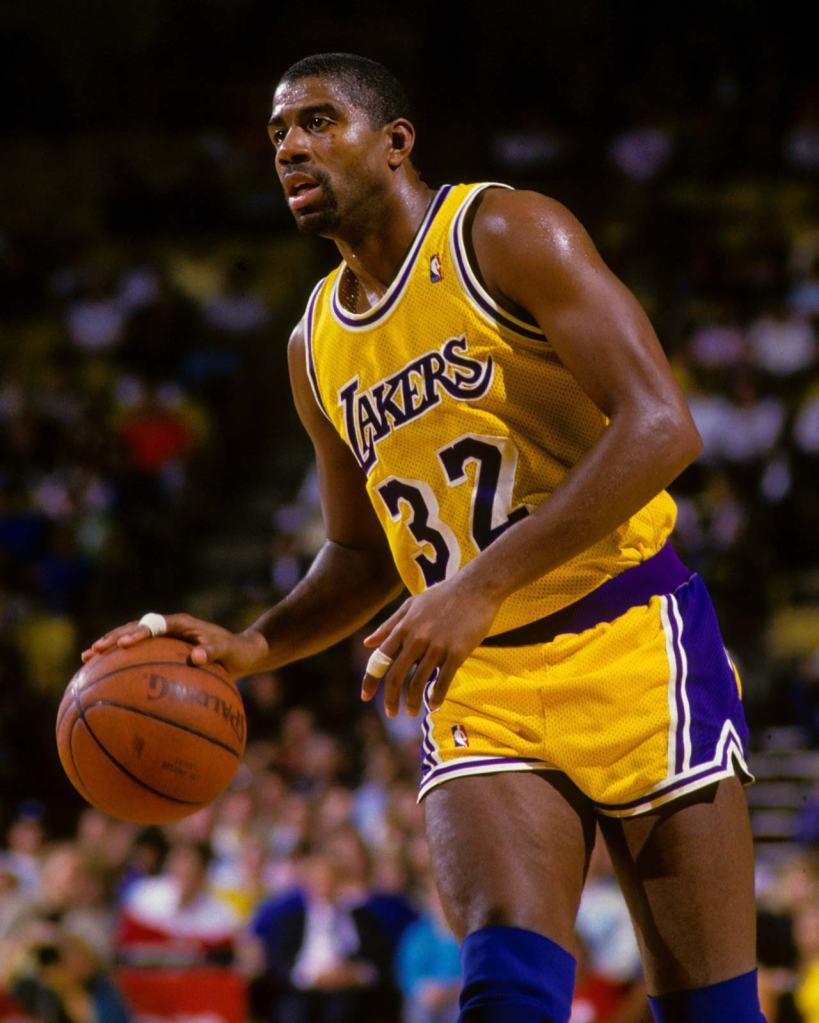
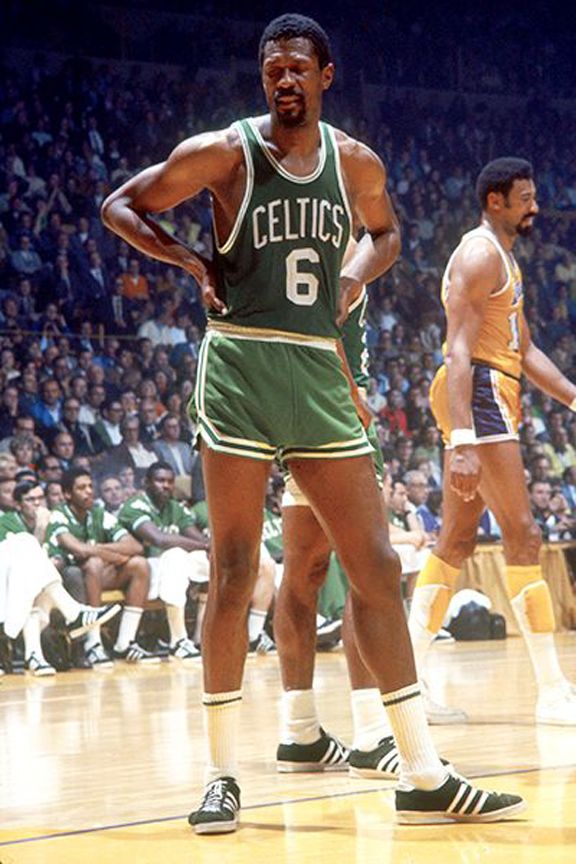
The most typical names that are put into a top 10 all time discussion of NBA players are: Michael Jordan, LeBron James, Kareem Abdul-Jabbar, Magic Johnson, Bill Russell, Wilt Chamberlain, Larry Bird, Tim Duncan, Kobe Bryant and Shaquille O’Neal. Of these players, 5 of them played at least 19 seasons in the NBA: LeBron James, Kareem Abdul-Jabbar, Tim Duncan, Kobe Bryant and Shaquille O’Neal. Therefore, to look at how ridiculous LeBron’s 19 season was, it makes sense to compare his 19th season to these other all time greats.

A good way of looking at overall production of a player throughout a season is to add together their points per game, rebounds per game and assists per game to give you a total. A season where a player has a total of 40 or over is an excellent season. Below is a chart tracking the totals for all of the players previously mentioned through 19 seasons.
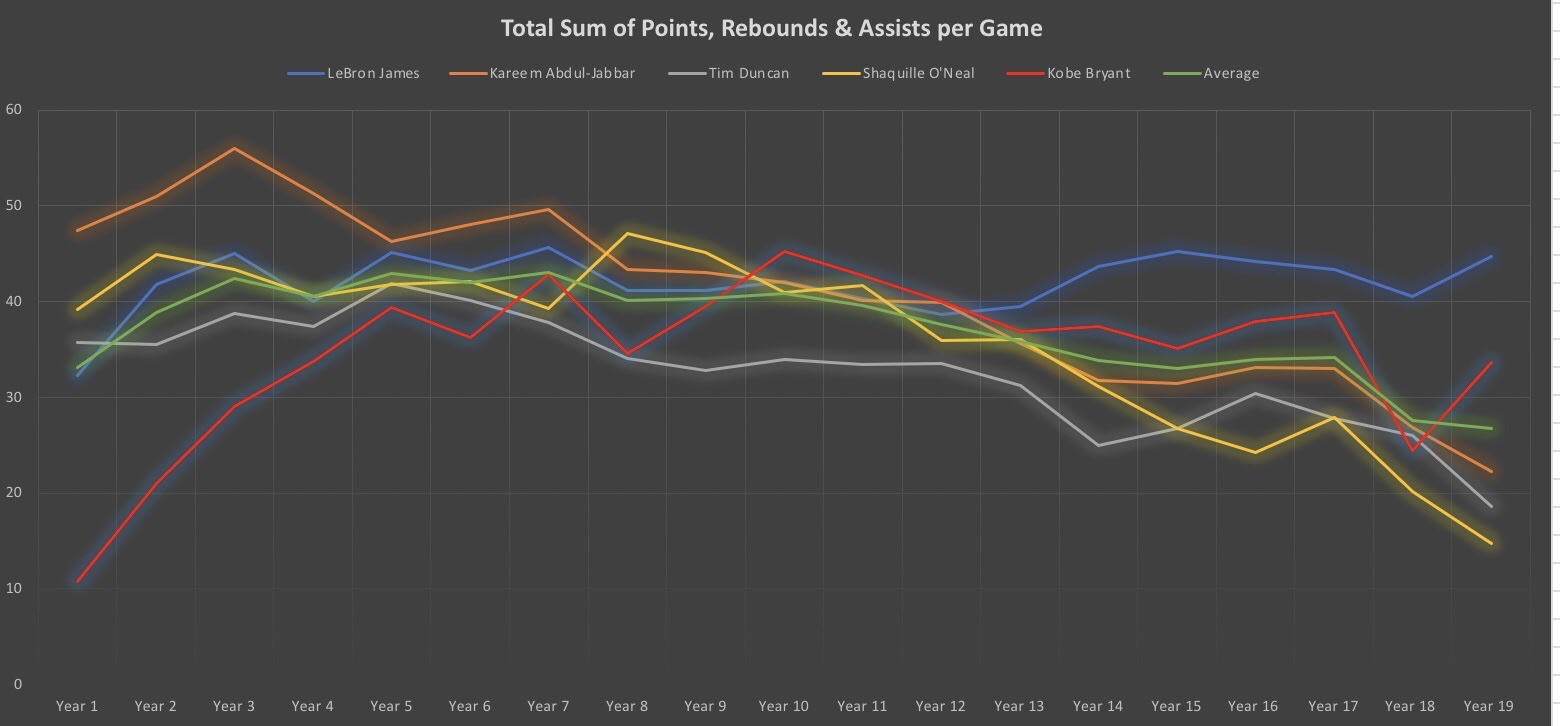
Total sum of points, rebounds and assists per game.

As you can see, LeBron hasn’t produced the single best performing season in terms of production: that award goes to Kareem’s unbelievable 1971/72 season, however, he has been by far the most consistent of all of these players. Every other player has a noticeable fall off towards the end of their careers, but LeBron is still producing a total of 44.7. The next closest score is Kobe with 33.6, meaning LeBron produced a total of 11.1 more than the next best performing all time great in his 19th season.

On top of this, LeBron has scored 40 or more in 16 out of his 19 season so far. That’s 84.2%. The next closest behind him is Kareem with 11, which equates to 57.9% of his seasons. Not only this, but outside of LeBron’s rookie season, his lowest overall total is 38.7. Just 1.3 shy of 40. The consistency that he has shown throughout his career is simply astonishing.

Now I know that it’s possible to produce these stats whist not actually playing efficiently or overly well. So, let’s look at the Player Efficiency Rating of all of these players in their 19th seasons.
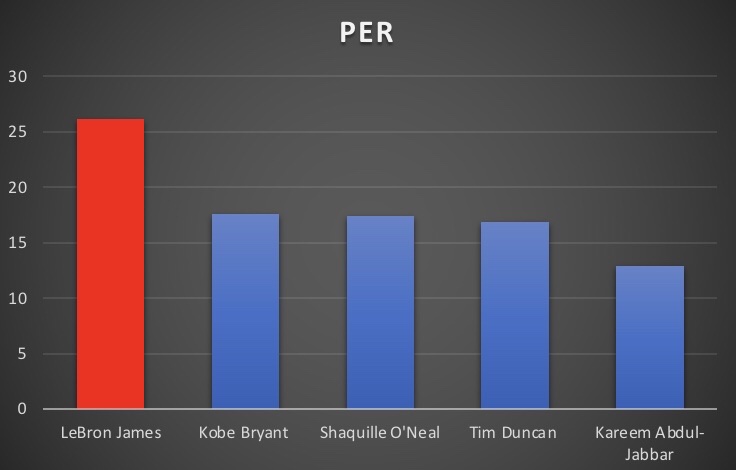
PER of players in their 19th seasons.

I mean, it’s not even close is it? Not only does LeBron’s PER score tower over every other player on this list, he also finished 4th in the league in PER last season. So he’s performing at a significantly higher level that these all time greats, but also still proving that he’s one of the best players in the league.

A huge part of LeBron’s game is his athleticism. He is, in my mind, without a doubt the greatest athlete to ever play the game. One of the best ways to look at a players athleticism is to look at the number of times they dunked the ball throughout the season. LeBron has always been known for ability to do this, and he was still remarkably good at doing it last season.
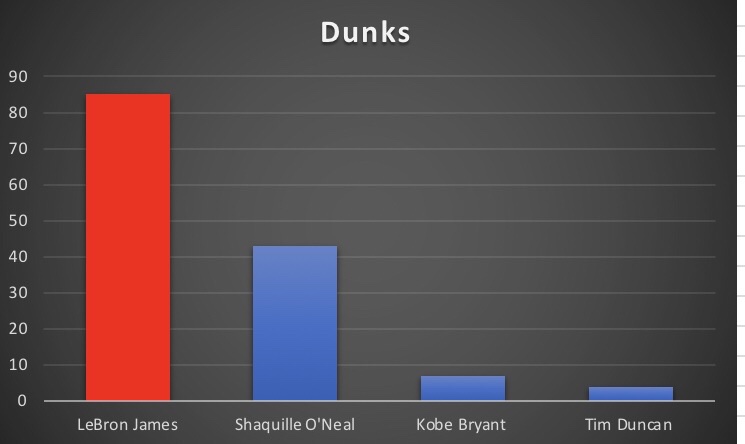
Overall dunks in 19th season. Dunks weren’t recorded when Kareem was playing so he isn’t included in this graph.

LeBron dunked the ball more than 2 times as many times as Shaq in his 19th season, a man who is 4 inches taller than him. However, LeBron is not only better at dunking the ball than these 3 players in his 19th season, he’s also better than a tremendous number of active player in the league.
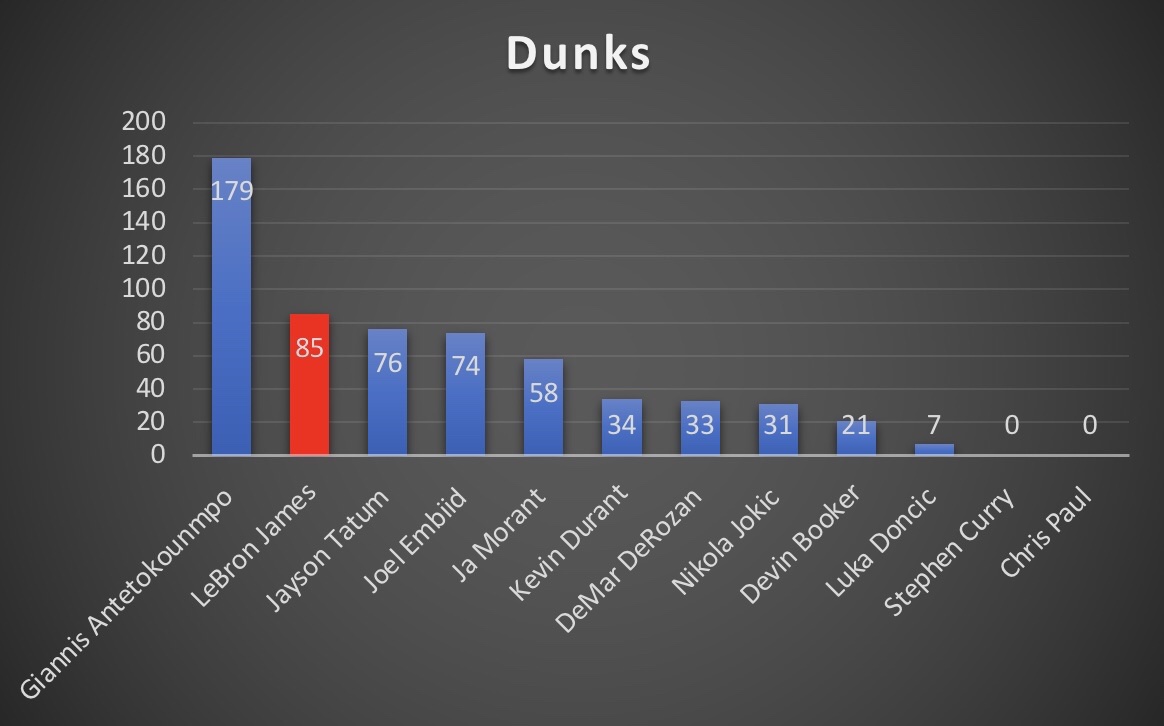
Overall dunks by all players to receive MVP votes in the 2021/22 season.

Out of the players in this graph, LeBron unbelievably finishes second, dunking the ball 9 more times than Jayson Tatum, who is just 1 inch shorter but 13 years younger.

Since I’m currently comparing LeBron last season to other active player, how does his total of points, rebounds and assists compare to other active players?
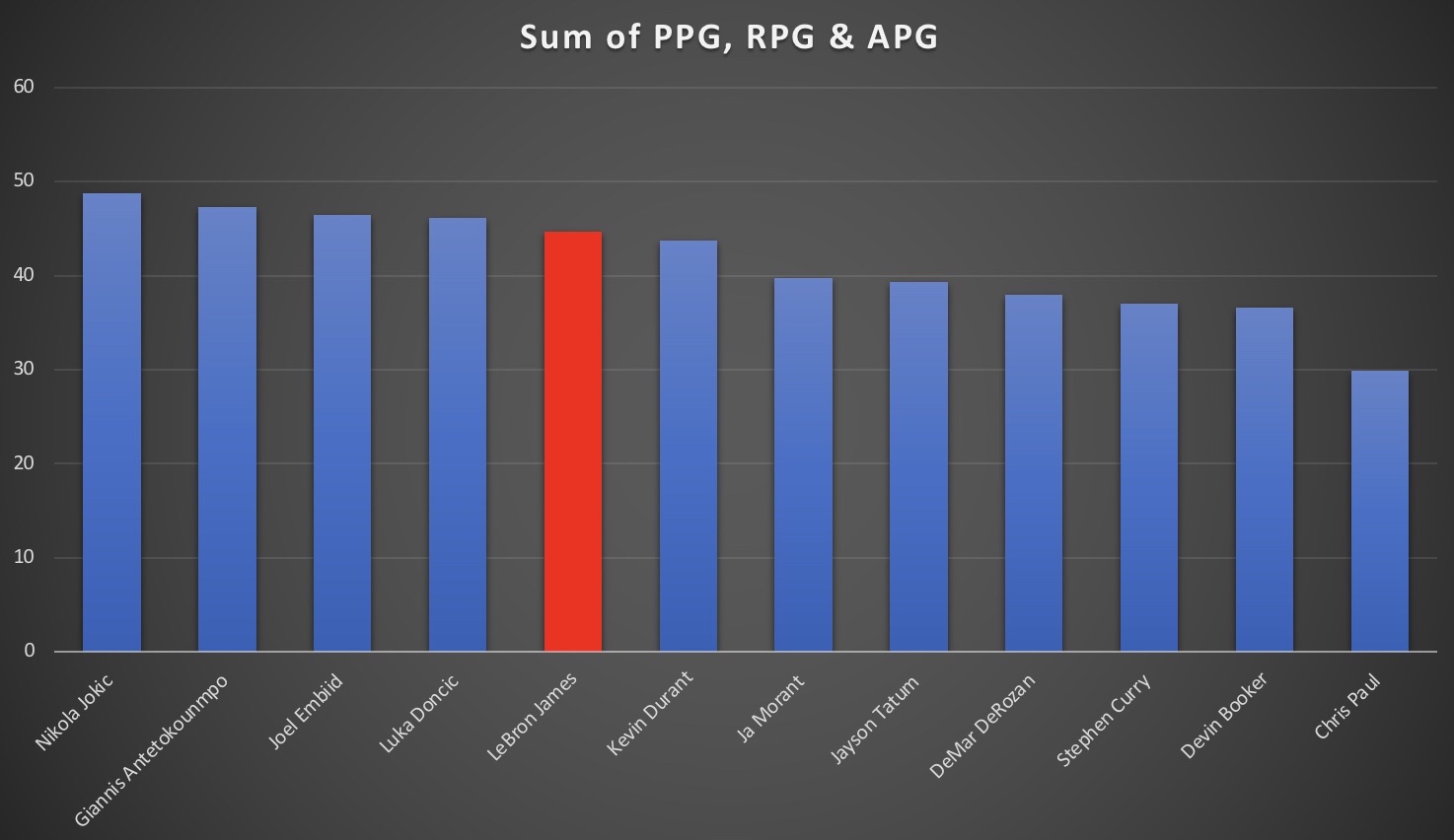
Sum of points, rebounds and assists of players to receive MVP votes in the 2021/22 season.

I think these graphs are enough now to properly show how absurdly good LeBron was in his 19th season. Players shouldn’t be this good this late in their careers. Opposition players learn to guard them better, they begin to slow down and injuries often play a significant factor. But LeBron James is still performing at this level. Now admittedly the Lakers did miss the playoffs this season, but when their star player is performing at this level, then it’s pretty clear that it isn’t his fault that the team isn’t winning enough games. LeBron has proven in the past that he can drag an average team to the finals: just look at the Cavaliers team that he dragged to the 2007 finals. There were a lot of issues in the 2021/22 Lakers, including chemistry issues and Anthony Davis and Russell Westbrook just not performing to the standard expected of them, but also the Western Conference was incredibly strong last season. It was an incredibly disappointing season for the Lakers, but not for LeBron. He was exceptional, and can only do so much when the other players simply aren’t performing.

Next season I firmly believe that the Lakers will be in title contention, with LeBron hungry for that fifth ring, and Anthony Davis motivated to prove all of his doubters wrong. It’s still unclear whether Westbrook will be around or not, but if he is I see him treating the 2022/23 season as a revenge season, and reminding the league why he’s a former MVP and one of the best point guards of all time. Will LeBron perform at the same level that he did last season? I see no reason why not. The lack of playoff basketball this summer means that his body will have had plenty of time to recover, and he’ll be raring to go come the beginning of the season. If Davis and Westbrook perform at higher levels then he won’t need to perform at that level however: those stats for LeBron came through the necessity for him to carry the team himself. Regardless, I don’t doubt for a second that he will still do everything within his power to propel the Lakers into title contention, and if that means having another expectation shattering season such as this one, then that’s exactly what he’ll do.
Is It Possible to Use Just Stats to Pick the 10 Greatest Players in NBA History?

Since I started following the NBA, I noticed that the level of statistics and analytics are far more rich and detailed than it is in European teams sports like football and rugby. As someone who loves looking through stats, this was very exciting for me when I made this discovery. Since I began following the sport, it’s also been very difficult to ignore the sheer amount of discussion about who the greatest player in NBA history is. The most common names brought up in this discussion are Michael Jordan and LeBron James but people still bring up greats like Kareem Abdul-Jabbar, Wilt Chamberlain and Magic Johnson. I decided to try and use a formula, using the stats available, to try and see if stats alone were capable of calculating who the greatest NBA player of all time is. It’s worth noting that I personally don’t believe that stats are the only things to look at, a player has to pass the ‘eye test’ as well, but this is purely something that I thought would be interesting to look at. Basketball is a good sport to look at in this regard because all positions on the court can be measured on the same stats: point, rebounds, assists. Obviously positions such as centres are more likely to get more rebounds and point guards are more likely to get more assists, but I find that my formula balances itself out in the end.

The stats that I decided I would use are a combination of the players achievements and their per game stats. The achievements I looked at were: MVP’s, Championships, Finals MVP’s, All-NBA 1st Team selections, All-Star Appearances, Conference Titles, Playoff Appearances and number of times they finished as a stats leader in a season. The per game stats that were included are points, rebounds, assists, field goal percentage, player efficiency rating and win shares. I was unable to look at stats like steals and blocks because they weren’t recorded as statistics in the early years of the league, which would give more modern players an unfair mathematical advantage. The same goes for box +/-, which means that those stat lines won’t be included in this formula. Not all stats/achievements are equal however, which means that some achievements were given a higher weighting in this formula. Per game stats are added in just as they are presented, with no increased value placed on any specific stat, but the achievements were ranked from most important to least important. That rankings goes as follows:

  1. MVP’s
  2. Championships and Finals MVP’s
  3. All-NBA 1st Team Selections and Stats Leaders
  4. All-Star Appearances and Conference Titles
  5. Playoff Appearnces

However, on top of that, I decided that all of these achievements should be analysed proportionately. Kevin Garnett has more all-star appearences than Michael Jordan, but does that means that Garnett is better than Jordan? Of course not. Garnett played 21 seasons in the NBA, whereas Jordan played 15. Therefore, proportionately, Garnett played in 71.4% of possible All-Star games, and Jordan played in 86.7%. This means that the final formula used is as follows:

Total score = (MVP % x 5) + (Championship % x 4) + (Final’s MVP % x 4) + (All-NBA 1st-Team % x 3) + (Stats Leader % x 3) + (All-Star Appearance % x 2) + (Conference Title % x 2) + Playoff Appearance % + Points Per Game + Rebounds Per game + Assists Per Game + Field Goal % + Player Efficiency Rating + Win Shares.

The way I would decide if this was successful was to compare the results of this test to several lists of the top ten greatest NBA players of all time. I worked out the average top-10 rankings from eight different lists which I will link at the bottom of this article. The average top ten list is as follows:

  1. Michael Jordan
  2. LeBron James
  3. Kareem Abdul-Jabbar
  4. Bill Russell
  5. Magic Johnson
  6. Wilt Chamberlain
  7. Shaquille O’Neal
  8. Larry Bird
  9. Tim Duncan
  10. Kobe Bryant

I compiled the stats of more than 31 NBA players, and am using the top 10 from that list to compare to the above list. So, without further ado, here is my top 10 list:

10. Tim Duncan (813.2 Points)

MVP’s: 2 (2003 & 2003)

Championships: 5 (1999, 2003, 2005, 2007 & 2014)

Finals MVP’s: 3 (1999, 2003 & 2005)

All-NBA 1st Team: 10 (1998-2005, 2007 & 2013)

All-Star Appearances: 15 (1998, 2000-2011, 2013 & 2015)

Conference Titles: 6 (1999, 2003, 2005, 2007, 2013 & 2014) 

Playoff Appearances: 18 (1998-1999, 2001-2016)

Stats Leader: 0 

Points Per Game: 19

Rebounds Per Game: 10.8

Assists Per Game: 3

Field Goal %: 50.6

Player Efficiency Rating: 24.2

Win Shares: 10.9 

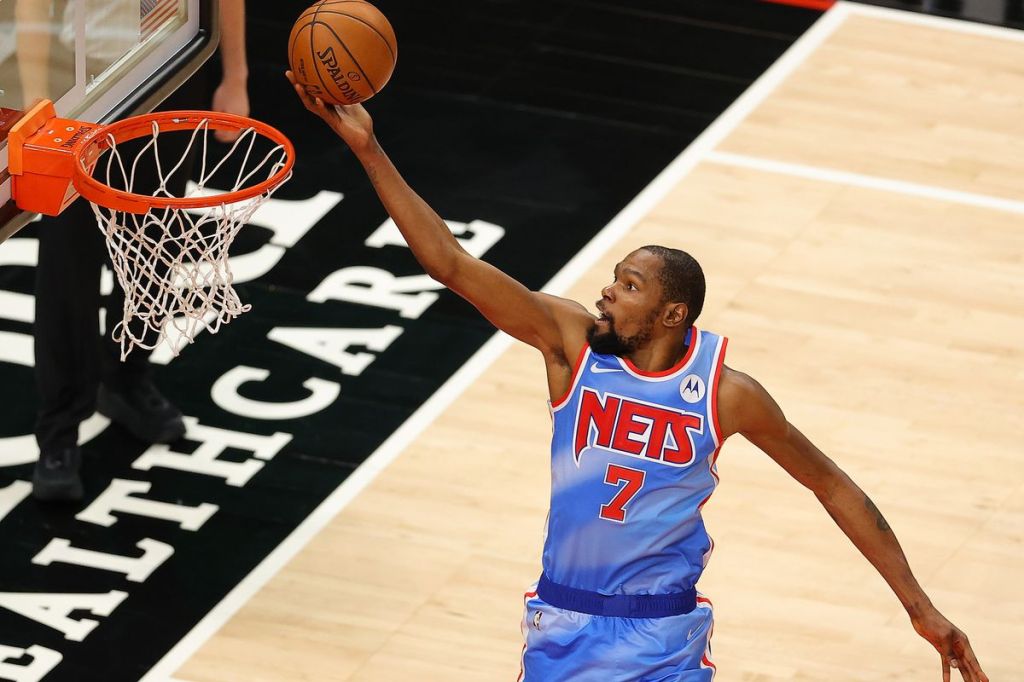
9. Kevin Durant (817.1 Points)

MVP’s: 1 (2014)

Championships: 2 (2017 & 2018)

Finals MVP’s: 2 (2017 & 2018)

All-NBA 1st Team: 6 (2010-2014, 2018)

All-Star Appearances: 11 (2010-2019, 2021)

Conference Titles: 4 (2012, 2017-2019)

Playoff Appearances: 9 (2010-2014, 2016-2019)

Stats Leader: 4 (2010-2012, 2014)

Points Per Game: 27.1

Rebounds Per Game: 7.1

Assists Per Game: 4.1

Field Goal %: 49.3

Player Efficiency Rating: 25.2

Win Shares: 12

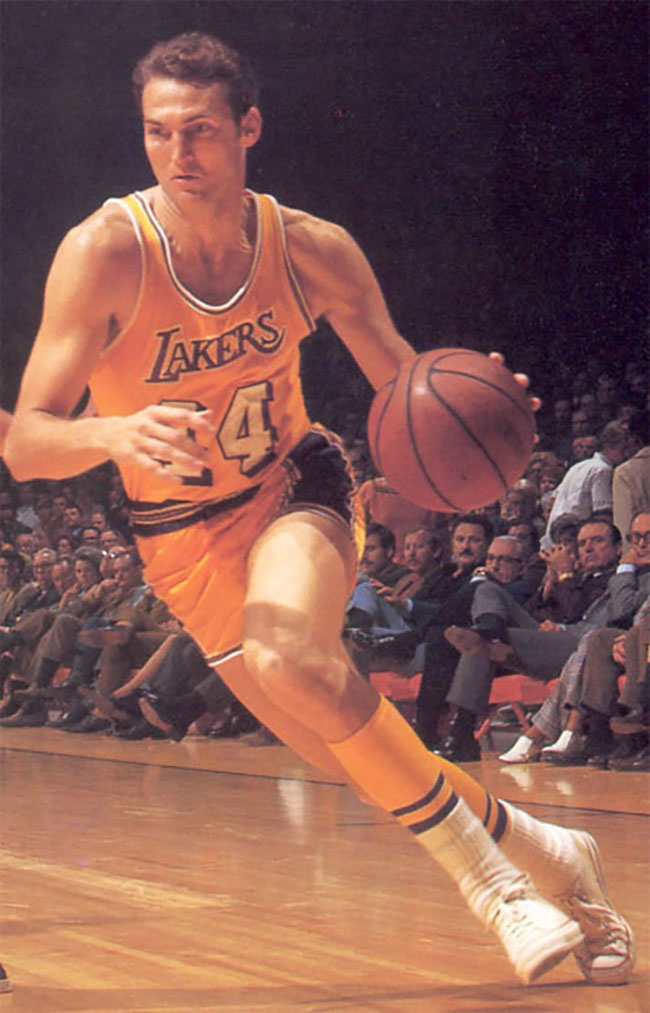
8. Jerry West (907.1 Points)

MVP’s: 0

Championships: 1 (1972)

Finals MVP’s: 1 (1969)

All-NBA 1st Team: 10 (1962-1967, 1970-1973)

All-Star Appearances: 14 (1961-1974)

Conference Titles: 9 (1962, 1963, 1965, 1966, 1968-1970, 1972, 1973)

Playoff Appearances: 13 (1961-1970, 1972-1974)

Stats Leader: 2 (1970 & 1972)

Points Per Game: 27

Rebounds Per Game: 5.8

Assists Per Game: 6.7

Field Goal %: 47.4

Player Efficiency Rating: 22.9

Win Shares: 11.6

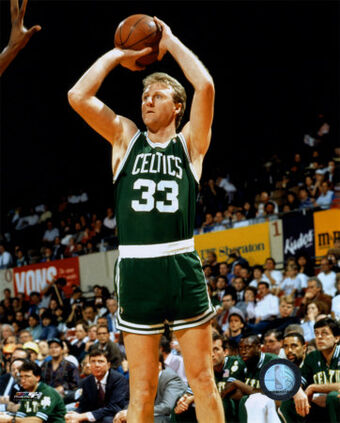
7. Larry Bird (955.7 Points)

MVP’s: 3 (1984-1986)

Championships: 3 (1981, 1984 & 1986)

Finals MVP’s: 2 (1984 & 1986)

All-NBA 1st Team: 9 (1980-1988)

All-Star Appearances: 12 (1980-1988, 1990-1992)

Conference Titles: 5 (1981, 1984-1987)

Playoff Appearances: 12 (1980-1988, 1990-1992)

Stats Leader: 0

Points Per Game: 24.3

Rebounds Per Game: 10

Assists Per Game: 6.3

Field Goal %: 49.6

Player Efficiency Rating: 23.5

Win Shares: 11.2

6. LeBron James (1050.4 Points)

MVP’s: 4 (2009, 2010, 2012, 2013)

Championships: 4 (2012, 2013, 2016, 2020)

Finals MVP’s: 4 (2012, 2013, 2016, 2020)

All-NBA 1st Team: 13 (2006, 2008-2018, 2020)

All-Star Appearances: 17 (2005-2021)

Conference Titles: 10 (2007, 2011-2018, 2020)

Playoff Appearances: 14 (2006-2018, 2020)

Stats Leader: 2 (2008, 2020)

Points Per Game: 27

Rebounds Per Game: 7.4

Assists Per Game: 7.4

Field Goal %: 50.4

Player Efficiency Rating: 27.4

Win Shares: 14.1

5. Kareem Abdul-Jabbar (1078.6 Points)

MVP’s: 6 (1971, 1972, 1974, 1976, 1977, 1980)

Championships: 6 (1971, 1980, 1982, 1985, 1987, 1988)

Finals MVP’s: 2 (1971, 1985)

All-NBA 1st Team: 10 (1971-1974, 1976, 1977, 1980, 1981, 1984, 1986)

All-Star Appearances: 19 (1970-1977, 1979-1989)

Conference Titles: 10 (1971, 1974, 1980, 1982-1985, 1987-1989)

Playoff Appearances: 18 (1970-1974, 1977-1989)

Stats Leader: 7 (1971, 1972, 1975, 1976 x2, 1979, 1980)

Points Per Game: 24.6

Rebounds Per Game: 11.2

Assists Per Game: 3.6

Field Goal %: 55.9

Player Efficiency Rating: 24.6

Win Shares: 13.7

4. Wilt Chamberlain (1227.3 Points)

MVP’s: 4 (1960, 1966-1968)

Championships: 2 (1967, 1972)

Finals MVP’s: 1 (1972)

All-NBA 1st Team: 7 (1960-1962, 1964, 1966-1968)

All-Star Appearances: 13 (1960-1969, 1971-1973)

Conference Titles: 6 (1964, 1967, 1969, 1970, 1972, 1973)

Playoff Appearances: 13 (1960-1962, 1964-1973)

Stats Leader: 19 (1960-1963 x2, 1964, 1965, 1966 x2 1967, 1968 x2, 1969, 1971-1973)

Points Per Game: 30.1

Rebounds Per Game: 22.9

Assists Per Game: 4.4

Field Goal %: 54

Player Efficiency Rating: 26.1

Win Shares: 16.5

3. Magic Johnson (1256.8 Points)

MVP’s: 3 (1987, 1989, 1990)

Championships: 5 (1980, 1982, 1985, 1987, 1988)

Finals MVP’s: 3 (1980, 1982, 1987)

All-NBA 1st Team: 9 (1983-1991)

All-Star Appearances: 12 (1980, 1982-1992)

Conference Titles: 9 (1980, 1982-1985, 1987-1989, 1991)

Playoff Appearances: 13 (1980-1991, 1996)

Stats Leader: 6 (1981-1984, 1986, 1987)

Points Per Game: 19.5

Rebounds Per Game: 7.2

Assists Per Game: 11.2

Field Goal %: 52

Player Efficiency Rating: 24.1

Win Shares: 12

2. Bill Russell (1278.9 Points)

MVP’s: 5 (1958, 1961-1963, 1965)

Championships: 11 (1957, 1959-1966, 1968, 1969)

Finals MVP’s: 0

All-NBA 1st Team: 3 (1959, 1962, 1965)

All-Star Appearances: 12 (1958-1969)

Conference Titles: 12 (1957-1966, 1968, 1969)

Playoff Appearances: 13 (1957-1969)

Stats Leader: 4 (1958, 1959, 1964, 1965)

Points Per Game: 15.1

Rebounds Per Game: 22.5

Assists Per Game: 4.3

Field Goal %: 44

Player Efficiency Rating: 18.9

Win Shares: 12.6

  1. Michael Jordan (1433.5 Points)

MVP’s: 5 (1988, 1991, 1992, 1996, 1998)

Championships: 6 (1991-1993, 1996-1998)

Finals MVP’s: 6 (1991-1993, 1996-1998)

All-NBA 1st Team: 10 (1987-1993, 1996-1998)

All-Star Appearances: 14 (1985-1993, 1996-1998, 2002, 2003)

Conference Titles: 6 (1991-1993, 1996-1998)

Playoff Appearances: 13 (1985-1993, 1995-1998)

Stats Leader: 13 (1987, 1988 x2, 1989, 1990 x2, 1991, 1992, 1993 x2, 1996-1998)

Points Per Game: 30.1

Rebounds Per Game: 6.2

Assists Per Game: 5.3

Field Goal %: 49.7

Player Efficiency Rating: 27.9

Win Shares: 14.3

For reference, this is numbers 11 to 20 in the list:

11. Kobe Bryant

12. Shaquille O’Neal

13. Oscar Robertson

14. Julius Erving

15. Steph Curry

16. Hakeem Olajuwon

17. James Harden

18. Karl Malone

19. David Robinson

20. Moses Malone

Whilst there are a couple of poor rankings on this list, I actually feel like it mostly turned out pretty good. Every player that was on that average top 10 still makes the top 12, and there aren’t any placements that I think are horrendous. However, in my opinion, LeBron James should be top 5, Kareem should be above Wilt Chamberlain, Kevin Durant and Jerry West shouldn’t be in the top 10, and I think Bill Russell is slightly too high. It’s interesting that KD made the top 10 because he was the only player to make it that wasn’t featured in a single one of the top 10’s down below, whereas Jerry West made one. I think that by the time Durant retires he will be considered one of the greatest of all time, and will potentially crack a few top 10 lists. Obviously LeBron is still active, so if he wins another Championship with the Lakers in the next few years then he may move above Kareem, but for now, I’m pretty happy with how it turned out. It is far from a perfect formula, but it’s not half bad.

https://www.espn.co.uk/nba/story/_/id/29105801/ranking-top-74-nba-players-all-nos-10-1

https://bleacherreport.com/articles/1795233-10-greatest-nba-players-of-all-time

https://howtheyplay.com/team-sports/Top-10-NBA-Players-Ever

https://www.britannica.com/list/the-10-greatest-basketball-players-of-all-time

https://www.foxsports.com/nba/gallery/ranking-the-25-greatest-players-in-nba-history-100716

https://www.basketball-reference.com/awards/slam_500_greatest.html

https://www.basketball-reference.com/awards/simmons_pyramid.html