The match up between Dillian Whyte and Alexander Povetkin was interesting from the minute it was announced. Povetkin has shown signs of ageing in his last two fights but still proved he had great heart against Michael Hunter and then he could still deal with taller fighters against Hughie Fury. Whyte was on an unprecedented winning streak that saw him beat Chisora twice, Joseph Parker and Oscar Rivas, three top 15 heavyweight opponents which should have seen him get a world title shot ages ago. I thought that Whyte would win by stoppage in the mid to late rounds, and my prediction looked to be coming true in the 4th round as Whyte dropped Povetkin twice. Going into the 5th round I had Whyte winning 38-36, and thought Povetkin would start to fade. But boxing instinct and experience won Povetkin that fight. Jab, slip, uppercut, KO. Povetkin may not be as fast as he was 5 years ago, but that level of boxing instinct is only gained from years and years of experience. Let’s not forget that Povetkin won gold at the 2004 Olympics, and while he has never been able to become world champion (I don’t count the WBA ‘Regular’ title as a proper world title), he has consistently been at the top of the heavyweight division for the last decade.
Povetkin’s only two losses have come against Wladimir Klitschko and Anthony Joshua. Two heavyweight powerhouses at the top of their game. Klitschko completely shut out Povetkin and the Russian wasn’t able to win a single round on the judges scorecards, but he got up off the canvas 4 times, managing to hear the final bell, proving his heart. Povetkin gave Joshua a lot of trouble in the early rounds of their fight, rocking AJ at the end of the 1st round, and I scored the first 3 rounds for the Russian, but ultimately he succumbed to the champions insane power in the 7th round. The only other blemish on Povetkin’s record came in a draw against Michael Hunter last December. Hunter was battering Povetkin early in the fight and could’ve easily stopped him, but Povetkin fought back and came on strong in the mid to late rounds to salvage a draw. It really is remarkable that he’s continued to compete at the highest level for this long. At 40 years old, most heavyweights aren’t knocking out top 5 level fighters, but Povetkin is bucking this trend and proving that he deserves a place alongside the very best in the division.
Klitschko vs Povetkin, 2013
Despite all of this however, I have to feel for Dillian Whyte. Whyte was named the number one heavyweight competitor by the WBC following his UD win over Robert Helenius at the end of 2017. He was the mandatory challenger to Deontay Wilder and now Tyson Fury for over 1000 days. Despite that, Dominic Breazeale was named Wilder’s mandatory challenger over Whyte last year. Whyte was set to challenge for the WBC title by next year at the latest if he beat Povetkin, but now, who knows? If he’s not been given a title fight after 1000 days, will he ever get the world title fight that he wants so badly? The Dillian Whyte situation over the last few years has made me feel very queasy about the state of boxing today. In MMA, the best consistently fight the best. Whyte would’ve been given a world title fight ages ago if he were fighting in the UFC, but with boxing, it’s not the case.
Dillian Whyte
Also, another thing, just because someone loses a fight, doesn’t mean that they’re automatically ‘finished’. Following Whyte’s first loss to Joshua, he improved immensely as a fighter, and cemented himself as one of the best in the world. Just because he’s lost again doesn’t mean he’s done. Look at the guy who knocked him out. Two losses, one draw, 40 years old and he’s just pulled off the knockout of the year. I don’t want to keep bringing this back to MMA, but in that sport almost every single one of the all time greats have multiple losses on their records. It’s the way that they come back from those losses that defines their careers. Georges St. Pierre lost twice in his career, but he overcame both of those losses to become the greatest Welterweight in UFC history. A loss shouldn’t define a career, the fighters character and the way they respond to the loss is what should define them. Whyte came back emphatically from his loss to Joshua, so why cant he come back from this? Like Nelson Mandela said ‘I never lose. I either win or learn.’
Following his victory over Evander Holyfield, Lennox Lewis was the undisputed heavyweight champion of the world. Unfortunately for him, this reign would only last five months, as he was stripped of his WBA title for deciding to fight WBC mandatory Michael Grant instead of WBA mandatory John Ruiz. Despite losing this title Lewis had a very successful 2000, with two 2nd round stoppages against Michael Grant and Francois Botha and a unanimous decision against David Tua.
The vacant WBA title was put on the line in a match up between John Ruiz and Evander Holyfield. Holyfield was awarded a unanimous decision but the fight was extremely close which prompted an immediate rematch to take place. This time round Ruiz came away with the decision, this back and forth led to a third and final fight between the two to take place in December 2001. The third fight was ruled a draw, meaning that Ruiz retained his WBA title.
Lennox Lewis vs Vitali Klitschko – 21/6/2003
Lewis next defended his titles against American challenger Hasim Rahman in South Africa. At the time Lewis had been appearing in the film Oceans Eleven, which meant that he wasn’t entirely focused or prepared going into the fight. Rahman capitalised on this and knocked Lewis out in the 5th round. The two had a rematch in late 2001, and Lewis got his revenge, landing a perfect 2 punch combination that floored Rahman in the 4th. Lewis was now a 3-time heavyweight world champion. Following him regaining his titles, Lewis finally got the fight that he had been chasing for so many years: Mike Tyson. This was a far cry from the Tyson of the late 80’s, and Lewis looked very comfortable, stopping the former world champion in the 8th round. Following the Tyson fight, Lewis vacated his IBF title for refusing to fight their mandatory challenger Chris Byrd. In June 2003, Lewis defended once more against Vitali Klitschko, a last minute replacement for his original opponent Kirk Johnson. This fight would infamously go on to be known as ‘TKO6’, as, despite the fact that Klitschko was leading on the judges scorecards, the fight had to be stopped at the end of the 6th round due to a horrendous cut caused by a Lewis punch. Lewis successfully retained his WBC and lineal titles for the final time, and retired from professional boxing after the fight.
A year later Vitali Klitschko fought Corrie Sanders for the vacant WBC title. Sanders was coming off a shock 2nd round stoppage victory against Vitali’s brother Wladimir, but Vitali got revenge for his brother, as he stopped Sanders in the 8th round. Vitali made one defence of his title before retiring in 2005, following a snapped ACL injury. This meant that the WBC title was now vacant.
Following retaining his WBA title against Holyfield, John Ruiz successfully defended his title against Kirk Johnson, before former middleweight, super middleweight and light heavyweight champion Roy Jones Jr. stepped up to challenge for the title. Jones completely outclassed Ruiz and won by unanimous decision. He was the first former middleweight champion to win a heavyweight world title in 106 years. Following the fight, Jones vacated the title and moved back down to light heavyweight. 9 months later Ruiz faced off against Hasim Rahman for the interim WBA title, and won by unanimous decision. Following Jones vacating the title, the WBA reinstated Ruiz as the champion.
Evander Holyfield attempted to become a 5-time heavyweight champion on the 14th of December 2002 against Chris Byrd. Holyfield was beginning show his age at this stage of his career, and lost by unanimous decision to Byrd. Byrd successfully defended his title 4 times, before he lost by 7th round TKO to Wladimir Klitschko in 2006. This was the beginning of one of the longest reigns in heavyweight history.
Following Vitali Klitschko’s retirement, Hasim Rahman was named the new WBC champion, but only successfully defended once, in a draw against James Toney, before losing his title to Uzbekistani fighter Oleg Maskaev. Maskaev successfully defended once before being stopped in the 6th round by Nigerian Samuel Peter. However, Peter’s reign was short lived, as he faced former champion Vitali Klitschko, who had come out of retirement, and Peter retired at the end of the 8th round.
Nikolai Valuev vs David Haye – 7/11/2009
John Ruiz defended his WBA title twice, before the 30th April 2005 when he fought James Toney, initially Toney won by unanimous decision, but failed a drug test following the fight. The fight was ruled a no contest and Ruiz was reinstated as champion. Later that year Ruiz would officially lose his title however, against 7 foot tall Russian, Nikolai Valuev. Valuev was, and still is, the tallest boxer to ever win a world title. Valuev remained champion until 2007, when he lost by majority decision to Ruslan Chagaev. Chagaev retained his title against Matt Skelton, but was stripped of the title soon after, for being unable to face his mandatory challenger, Nikolai Valuev. Valuev instead fought John Ruiz for the vacant title, and again won by decision. Valuev defended his title against former champion Evander Holyfield before losing his title to former Cruiserweight world champion David Haye by majority decision.
In February 2007 the World Boxing Organisation (WBO) became recognised as a major governing body. At the time of this decision, the WBO champion was Shannon Briggs. Just 4 months later Briggs lost his title to Sultan Ibragimov. Ibragimov attempted to unify his WBO title with the IBF in February 2008 against Wladimir Klitschko, but lost by unanimous decision. Klitschko won the vacant The Ring and Lineal titles in 2009 against Russian Chagaev, after Chagaev retired in his corner following the 9th round.
David Haye scored two stoppage victories in his two defences against John Ruiz and Audley Harrison, before facing off against unified champion Wladimir Klitschko. The fight didn’t really live up to the pre-fight hype however, as Klitschko won a comfortable unanimous decision. The Klitschko brothers now held every major world title in the heavyweight division.
Vitali made 9 defences of his WBC title, before announcing his second and final retirement from boxing in 2013. He retied with a record of 45-2 with 41 KO’s. On the 10th May 2014, Bermane Stiverne and Chris Arreola fought for the vacant title. This was a strange decision from the WBC, as the two had fought less than a year earlier and Stiverne had won by unanimous decision. Stiverne made much quicker work of Arreola this timee however, stopping him in the 6th round. Almost a year later Stiverne would attempt to defend his title against unbeaten challenger Deontay Wilder. At the time Wilder had a record of 32-0 with 32 KO’s. This fight was the first time that Wilder went the distance, beating Stiverne by unanimous decision.
Wladimir Klitschko vs Tyson Fury – 28/11/2015
From 2006 to 2015, Wladimir Klitschko made 18 successful defences of his titles, unifying the division multiple times. In November 2015, Klitschko faced unbeaten British challenger Tyson Fury. Fury outclassed, outthought and frankly confused his opponent for twelve rounds, before winning by unanimous decision. Klitschko’s 9 year reign had ended. Just 10 days after the fight, the IBF stripped Fury of his title due to his plans to rematch with Klitschko. The IBF wanted him to face their mandatory challenger, Vyacheslav Glazkov, but Fury refused. The rematch was initially scheduled for July 2016, but the fight was postponed due to Fury being unfit to fight. In September Fury failed a drug test due to the presence of cocaine, and vacated his titles one month later. Fury temporarily retired following this.
In January 2016, Glazkov and Charles Martin faced off for the vacant IBF title. Glazkov injured his knee significantly in the 3rd round and was unable to continue. Martin was ruled the winner and became the new IBF champion. Glazkov never fought professionally again. Just 3 months later Martin was defending his title in the UK against unbeaten Olympic gold medalist Anthony Joshua. Joshua landed two perfect right hands in the second round and won by second round KO. Joshua was now 16-0 and the new IBF heavyweight champion.
In December 2016, Joseph Parker and Andy Ruiz Jr. faced off for the vacant WBO title. The fight was incredibly close, and there are arguments that can be made for both fighters winning, but Parker walked away with the majority decision victory in his home city of Auckland.
In April 2017, former long reigning champion Wladimir Klitschko challenged Anthony Joshua for his title. The vacant WBA title was also on the line. The fight was an instant classic, as both fighters got up off the canvas before Joshua eventually stopped Klitschko in the 11th round. Joshua was now the unified heavyweight champion. One year later, Joshua unified again, this time against WBO champion Joseph Parker in Cardiff. This fight saw Joshua adopt a more cautious style, as he went the distance for the first time in his professional career, and won by unanimous decision. Joshua now held the IBF, WBA and WBO titles.
Following winning the WBC title, Wilder made 6 relatively light defences of his title, before facing his first big step up, Luis Ortiz. The fight was a back and forth chess match in the early rounds, before each boxer landed some huge power shots, with both nearly being stopped. Wilder ultimately ended the fight in the 10th round, with a right uppercut. Then, in December 2018, Tyson Fury challenged Wilder for his title. Fury had had two easy fights before stepping up to face the feared puncher. Many didn’t give Fury a chance, but to many peoples surprise, Fury completely outclassed Wilder, and looked like he’d never been gone. Wilder dropped Fury in the 9th and 12th rounds, but Fury would not stay down, and fought on right until the end. The fight was ultimately ruled a draw, in the biggest robbery of a British fighter in the US since the first fight between Lewis and Holyfield in 1999.
Anthony Joshua vs Andy Ruiz Jr. – 1/6/2019
In June 2019, Joshua was originally set to face Jarrell Miller, but two months before the fight, Miller failed two separate drug tests. A replacement was needed and Andy Ruiz Jr. stepped up. Joshua dropped Ruiz mid way through the 3rd round with a perfect two punch combination, but when he then went in for the kill he got careless, and Ruiz caught Joshua with a left hook to the temple that completely threw Joshua’s equilibrium off. Ruiz dropped Joshua twice in that round, and he was lucky to make it to the bell. Through the 4th, 5th and 6th rounds, Joshua didn’t seem himself, although he was slowly beginning to regain his legs. Ruiz went in in the 7th round however, dropping Joshua twice more before the referee stopped the fight. This was arguably the biggest heavyweight upset since Hasim Rahman knocked out Lennox Lewis. The two agreed terms for an immediate rematch that took place later that year. This time, Joshua was far more cautious and Ruiz was far more out of shape. Joshua arguably won all but one round of the fight and regained his titles by unanimous decision.
In February of this year, Wilder and Fury had a rematch of their epic encounter from 15 months before. This time however, Fury completely changed his game plan, as he walked down Wilder and dropped him twice en route to a 7th round TKO finish. Fury winning this fight meant that all of the major heavyweight titles are now held exclusively by British fighters for the first time since the establishment of sanctioning bodies.
Following his victory of Muhammad Ali, Larry Holmes would go on to defend his WBC heavyweight title 8 times between 1981 and 1983. Following his first round knockout victory over Marvis Frazier, Holmes vacated the WBC title, as the governing body would not sanction his fight against Frazier as a title fight, due to the fact that he was unranked by the WBC at the time of the fight. In 1983, the International Boxing Federation (IBF) was formed. On the 11th of December Holmes was named their inaugural heavyweight champion.
Mike Weaver defended his WBA title twice in 1980 and 1981, before coming up against the unbeaten Michael Dokes, who stopped him in the first round. The two had an immediate rematch 5 months later, but this time it ended in a draw, meaning that Dokes retained his title. The next 4 WBA title fights in a row saw the title change hands, as Gerrie Coetzee, Greg Page and Tony Tubbs all failed to defend the title.
On the 9th of March 1984, Tim Witherspoon and Greg Page fought for the WBC title which Holmes had vacated the year before. Witherspoon won a majority decision, but then lost the title in his very next fight to Pinklon Thomas. Two years after losing his WBC title, Witherspoon beat Tony Tubbs to become a two-time champion, winning the WBA belt. He defended once against Frank Bruno before losing by 1st round KO to James ‘Bonecrusher’ Smith.
Larry Holmes vs Michael Spinks – 21/9/1985
Following him gaining the IBF title, Larry Holmes made 3 successful defences of his title, and had created a record of 48-0, just one win away from equalling Rocky Marciano’s record. Holmes attempted to do this by fighting former undisputed light heavyweight champion Michael Spinks. Finally a match was found for the long reigning champion, as Spinks came away with a unanimous decision victory, becoming a two-weight world champion. Holmes attempted to win back his IBF and lineal titles 7 months later, but Spinks won again, this time by split decision. Spinks would eventually be stripped of the IBF title in 1987, but still kept his lineal title.
Pinklon Thomas made one successful defence of his WBC title against former world champion Mike Weaver, before losing it on the 22nd of March 1986 to Trevor Berbick. On the 22nd of November that year, Berbick attempted to defend his world title against unbeaten 28-0 challenger Mike Tyson. Tyson’s devastating power was finally on display on the world stage, as he stopped Berbick in the second round to become the youngest every heavyweight world champion at just 20 years old. In March of the next year Tyson unified the WBC and WBA titles, beating James Smith by unanimous decision. Tyson won the IBF title in 1987, beating Tony Tucker to become the undisputed heavyweight champion at just 21 years old. He beat former world champion Larry Holmes by 4th round KO in 1988 before facing off against lineal champion Michael Spinks. Tyson managed to get inside Spinks’ head massively going into the fight, and he capitalised on that, knocking him out just 90 seconds into the first round. Spinks would never fight professionally again.
Mike Tyson made two more defences of his world titles in the later 80’s before fighting James ‘Buster’ Douglas on the 11th of February 1990 in Tokyo. This was mainly considered to be a tune up bout for the champion before facing former undisputed cruiserweight champion Evander Holyfield. Douglas came into the fight as a 42/1 underdog, but pulled off arguably the greatest upset in professional sports history, getting up from a heavy knockdown to knock Tyson out in the 10th round.
Evander Holyfield vs Riddick Bowe – 13/11/1992
Douglas would never successfully defend his titles, and lost by 3rd round knockout to Evander Holyfield in October of that year. Between 1990 and 1992, Holyfield defended his titles 3 times, 2 defences against former world champions in George Foreman and Larry Holmes, before coming up against unbeaten Olympic silver medalist Riddick Bowe. The fight ended up being an all time classic, and one of the best heavyweight title fights in the history of the sport, as Bowe won by unanimous decision. Just one month later, Bowe vacated his WBC title by literally dropping it into a bin, due to the fact that he couldn’t reach agreed terms to face the WBC’s mandatory challenger Lennox Lewis, the man who had beaten him to the gold medal at the 1988 Olympics. Lewis was subsequently awarded the WBC title, despite not winning it inside the ring.
Lewis defended his title 3 times, including an all English battle with Frank Bruno in Cardiff, before shockingly losing it to Oliver McCall by second round KO in September 1994. McCall defended once against Larry Holmes, before losing his title 1 year after winning it to Frank Bruno. This was the 4th time that Bruno had fought for a world title, having been knocked out in all 3 of his previous attempts.
Riddick Bowe defended his title twice before having a rematch against Evander Holyfield. This time, Holyfield got the decision, becoming a two-time, two-weight world champion. His second reign would be short lived however, as in his next fight he lost his titles to former light heavyweight world champion Michael Moorer. Just like Holyfield’s reign however, it was short lived, as he faced former world champion George Foreman. Foreman was 45 at the time of the fight, but knocked Moorer out in the 10th round to become oldest ever heavyweight champion, 20 years after losing his title to Muhammad Ali. Foreman was stopped of his WBA title the March after for refusing to defend against mandatory challenger Tony Tucker.
5 Nov 1995: George Foreman trows a left punch at Michael Moorer during the fight in Las Vegas. Forman wins by a knock out in round 10. Mandatory Credit: Al Bello /Allsport
In March 1996 Frank Bruno attempted to defend his WBC title for the first time against former world champion Mike Tyson. The two had fought previously in 1989, and Tyson had stopped Bruno in the 5th round. This time Tyson finished the job even quicker, stopping him in the 3rd to become a two-time heavyweight champion. This was Bruno’s final fight as a professional. Tyson would vacate the WBC title later than year to pursue a fight against Evander Holyfield, instead of facing his mandatory challenger Lennox Lewis. Tyson beat Bruce Seldon by first round knockout however to win the WBA world title. Bruce Seldon had beaten Tony Tucker for the vacant title 1 year earlier.
Two months after his win over Seldon, Tyson finally faced off against two-time heavyweight champion Evander Holyfield. There had been several previous attempts to make the fight happen but they had all unfortunately fallen through. Holyfield dominated for the vast majority of the fight before seriously hurting Tyson at the end of the 10th. Holyfield picked up where he left off in the 11th and stopped him inside the first minute of the round. Holyfield was now a 3-time heavyweight champion. The two had an immediate rematch 7 months later, with the fight going on to become known as the ‘bite fight’. Tyson bit Holyfield on the ear twice in the 3rd round before being disqualified at the end of the round. Holyfield retained his title and Tyson had his boxing license rescinded and was fined 3 millions dollars. He wouldn’t fight again for over a year.
Foreman defended his IBF and lineal title in April 1995 against Axel Schulz. Foreman won a very controversial majority decision so therefore the IBF demanded an immediate rematch. Foreman instead vacated his IBF title, but still retained his lineal title. He successfully defended his lineal title twice more over the next two years against Crawford Grimsley and Lou Savarese before losing in November 1997 to Shannon Briggs by majority decision. This was Foreman’s final fight as a professional.
In February 1997, Lennox Lewis fought the only man to beat him up until that point, Oliver McCall, for the vacant WBC title. McCall was going through several personal issues at the time of the fight, and often just refused to engage with Lewis. Between rounds he would refuse to sit on the stool in his corner and was seen crying in the ring, before the referee waved it off in the 5th round. Lewis was now a two-time heavyweight champion. Lewis defended his title twice before facing off against lineal champion Shannon Briggs. Briggs almost stopped Lewis early, but the champion battled back to stop him in the 5th, becoming the WBC and lineal heavyweight champion.
Following his second victory against Tyson, Holyfield unified the WBA and IBF titles, beating Michael Moorer in the 8th round. He then defended his titles against Vaughn Bean before setting up a fight against Lennox Lewis in early 1999. The winner would become the first undisputed heavyweight champion since Riddick Bowe. Lewis dominated from bell to bell in an absolutely outstanding performance, but somehow, the judges saw it differently. The fight was ruled a draw, so therefore an immediate rematch was set up. This time the judges scored it correctly and Lewis won a unanimous decision, to become the undisputed heavyweight world champion. This was the last world title fight of the 20th century.
On the 30th of November 1956, Archie Moore (Marciano’s final opponent), and Floyd Patterson faced off in a winner takes all bout for the NBA, NYSAC, The Ring and lineal titles. (The IBU had stopped operating at this point). Patterson finished Moore off in the 5th round to become the new undisputed heavyweight champion. Patterson defended his title 4 times before he faced Swedish heavyweight Ingemar Johansson. Johansson shocked the world as he knocked Patterson down 7 times in the 3rd round before the referee finally waved the fight off, with Johansson becoming the first ever Swedish heavyweight world champion. The two would then meet again a year later, and this time Patterson was the fighter who came away with a KO victory, stopping Johansson in the 5th round. They would meet one final time then in 1961 in their rubber match, which Patterson once again won, this time knocking Johansson out in the 6th round.
Boxing: World Heavyweight Title: Ingemar Johansson in action vs Floyd Patterson during fight at Miami Beach Convention Hall. Miami Beach, FL 3/13/1961CREDIT: Neil Leifer (Photo by Neil Leifer /Sports Illustrated via Getty Images)(Set Number: X7387 )
Patterson then attempted to defend his titles on the 25th of September 1962 against Sonny Liston, but failed as Liston knocked him out after just two minutes into the first round. The NBA had now been renamed to the World Boxing Association (WBA). They had a rematch the year after and the result was exactly the same, except this time, it took four seconds longer for Liston to finish off Patterson. The victory in the rematch also made Liston the first ever World Boxing Council (WBC) heavyweight champion.
Besides against Patterson, Liston never successfully defended his titles, and, on the 25th of February 1964, he took on unbeaten challenger Cassius Clay (who would later be known as Muhammad Ali). Many people expected Liston to end things early, but Clay scored a massive upset, beating Liston after he failed to get up from his stool for the 7th round. The rematch took place a year later, and Ali took far less time disposing of Liston this time, knocking him out in the first round. Due to this rematch, the WBA withdrew their recognition of Ali as their champion, meaning the WBA heavyweight title was now vacant.
On the 5th of March 1965, Ernie Terrell and Eddie Machen fought for the vacant WBA title, and Terrell won a 15 round unanimous decision, meaning that there were now two major world champions. Terrell and Ali would eventually face off on the 6th of February 1967, and in the meantime, Ali defended his titles 6 times, and Terrell defended his title twice. Ali dominated the entire fight, and ultimately won a landslide unanimous decision. Ali had once again become the unified, undisputed, heavyweight champion of the world. Ali would defend his title just once more, before he was stripped of all his titles, for refusing to enlist in the US army to serve in the Vietnam war. Ali wouldn’t be legally able to fight for 3 years, eventually returning in 1970.
A year after Ali’s final defence, Joe Frazier and Buster Mathis fought for the vacant NYSAC title, and Smokin’ Joe ended the fight in the 11th round with a technical knockout, after Mathis looked too hurt to continue. A month later, Jimmy Ellis and Jerry Quarry faced off in Oakland, California, for the vacant WBA title and Ellis won a majority decision. Frazier defended his title 4 times, and Ellis defended his once, before the two fought in February 1970. Aside from the WBA and NYSAC titles, the vacant WBC and lineal titles were on the line too. Frazier dropped Ellis twice in the fourth round, and Ellis did not get up from his corner in time to begin the fifth round, giving Frazier a fourth round stoppage victory.
Joe Frazier vs Muhammad Ali – 8/3/1970
Frazier would then defend his titles 4 times between 1970 and 1973. The most significant of which came on the 8th of March 1970 as he faced off against former world champion Muhammad Ali. Many people still didn’t consider Frazier a true world champion due to the fact that he never beat Ali to win the title, but he cemented his status as the true champion on that night, deservedly winning the ‘Fight of the Century’ by unanimous decision. During Frazier’s reign as world champion, the NYSAC was no longer recognised as a major sanctioning body, so Frazier now held the WBA, WBC, Ring magazine and Lineal titles. On the 22nd of January 1973, Frazier met undefeated power-puncher George Foreman in Jamaica. Many boxing fans didn’t give Foreman a chance, but Frazier barely made it through the first round, being knocked down three times. Foreman knocked Frazier down three more time in the second round before the referee ended proceedings.
Foreman defended his title twice over the next year and a half, with both of them ending inside the first two rounds, before he faced off against Muhammad Ali in ‘The Rumble in the Jungle’, one of the most famous fights in boxing history. Many didn’t expect Ali to be able to put up much of a fight against such a formidable opponent, but Ali used a tactic that would become known as the ‘rope-a-dope’ to eventually win the fight. Ali let Foreman tire himself out, letting him throw big power shots whilst leaning against the ropes, using this movement to take some of the sting out of Foreman’s punches. In the 8th round, Ali struck, with Foreman exhausted, Ali executed a brutal combination that sent Foreman crashing down. Muhammad Ali had just reclaimed the heavyweight world titles.
Ken Norton vs Larry Holmes – 9/6/1978
Ali would then go unbeaten for 4 years, defending his titles 10 times, including a rubber match victory over Joe Frazier, knocking him out in the 14th round. On the 15th of February, Ali faced relatively unknown fighter Leon Spinks. Spinks was an Olympic gold medalist, but at the time had a record of 7 wins, no losses and 1 draw, and had previously never fought a true title contender. It was clear to see that this was not the same Ali that had won his title back 4 years earlier, but he was still expected to walk over his far less experienced opponent. But instead, Spinks dominated the fight, and came away with a split decision victory. However, one month later, Spinks was stripped of the WBC title, and it was awarded to Ken Norton. In June of that year, Larry Holmes and Ken Norton fought for the WBC title, and Holmes won a split decision victory. Holmes would not lose the title then for 7 years.
On the 20th October 1979, John Tate and Gerrie Coetzee fought for the vacant WBA title in Pretoria, South Africa. Tate won by unanimous decision but wouldn’t successfully defend the title as 5 months later he lost it to Mike Weaver by 15th round KO. Tate was winning on the judges scorecards at the time of the stoppage before Weaver knocked him out cold with less than a minute remaining in the fight.
7 months after their first meeting, Ali and Spinks met again in New Orleans, and this time, Ali dominated and came away with a unanimous decision victory. He became the first person to become a three time lineal heavyweight champion – a feat that to this day is still yet to be matched. Ali vacated his WBA title in 1979, but he was still the lineal champion, so on the 2nd of October 1980, he fought Larry Holmes. Holmes pummelled Ali for ten rounds, and at the end of the tenth, Ali’s corner had decided that he could no longer continue. Holmes won a 10th round stoppage victory, and won the vacant ring magazine heavyweight title. This was Ali’s final ever title fight, and he would eventually retire in 1981, following a loss to Trevor Berbick.
Due to the nature of heavyweight boxing, with its many official sanctioning bodies, it’s often difficult to trace the exact champions at any one time. For the purposes of this piece, our timeline begins in 1885. John L. Sullivan was the first globally recognised heavyweight champion of the world, and due to the lack of separate sanctioning bodies at the time, he is now known historically as the first lineal heavyweight champion. The first sanctioning bodies did not come into play until the 1920’s, so up until that point, every world champion is also the lineal heavyweight champion. Sullivan made his first title defence on the 29th of August 1885, against Dominick McCaffrey, where he won a six round points decision. Sullivan would go on to defend his title six times, including two draws against Patsy Cardiff and Charlie Mitchell, before he lost to James J. Corbett on the 7th of September 1892 in a 21st round knockout in New Orleans.
Corbett made two successful defences against Charley Mitchell and Tom Sharkey before losing to British boxer Bob Fitzsimmons on the 17th of March 1897. Fitzsimmons defended his title just once before losing to James J. Jeffries on the 9th of June 1899. This would be the last time that the title would change hands before the beginning of the 20th century. Jeffries made 9 defences of his titles before his final fight on the 26th August 1904. Jeffries retired 9 months later, meaning that the lineage of the heavyweight division was broken for the first time.
On the 3rd of July 1905, Marvin Hart faced off against Jack Root for the vacant title, a fight which Hart won in the 12th round as he knocked Root out. Hart never successfully defended his title, and on the 23rd of February 1906, he lost to Canadian Tommy Burns on a points decision. Burns remained unbeaten then for two years and 13 fights, before Jack Johnson beat him on boxing day in 1908 in Sydney. Jack Johnson was the first black boxer to ever be allowed to fight for the heavyweight title, having previously tried and failed to secure a title fight against James J. Jeffries.
Johnson remained as the heavyweight champion of the world for 7 years, making 9 successful defences between 1908 and 1915, before losing to Jess Willard in a 26th round KO. Willard won just once as heavyweight champion in 1916, but would not fight then for three years, before losing his title to Jack Dempsey on the 4th of July 1919. Under Dempsey’s reign, the first major sanctioning bodies emerged, and on the 2nd of July 1921, Dempsey won the National Boxing Association’s (NBA) heavyweight title, and before his next fight against Tommy Gibbons he was awarded the Ring Magazine heavyweight title. Then before his subsequent fight against Luis Angel Firpo he was awarded the New York State Athletic Commission’s (NYSAC) heavyweight title. Dempsey was still regarded as the lineal heavyweight champion, but he had now become the undisputed heavyweight champion of the world.
Unfortunately for Dempsey however, he did not keep this title for long, as he lost his next fight to Gene Tunney in 1926, to a unanimous decision. Dempsey attempted to win back his titles a year later but the same thing happened again as Tunney was awarded a unanimous decision. Tunney would only defend his titles once more against Tom Heeney, before he retired 5 days later on the 31st of July 1928.
Max Schmeling vs Jack Sharkey – 12/6/1930
The titles were then left vacant for two years, before a title fight took place between Max Schmeling and Jack Sharkey in 1930 in New York. Sharkey was disqualified in the 4th round for a low blow, and Max Scheming became, to this day, the only ever German heavyweight champion of a major sanctioning body. Following the fight however, the NYSAC withdrew its recognition of Schmeling as their heavyweight champion as he refused to Grant Sharkey an immediate rematch. Schmeling was named the International Boxing Union’s (IBU) heavyweight champion on the 7th of January 1931 though. The two of them would face off again in 1932, as Sharkey won a controversial split decision. The victory gained Sharkey the recognition as the NYSAC champion as well.
Sharkey’s reign lasted 1 year and eight days before he lost to Italian Primo Carnera, who made three successful defences before losing to Max Baer on the 14th of June 1934. The titles would then be passed to James J. Braddock just under a year later as Braddock won a unanimous decision victory over Baer. Braddock would not fight for two years after his victory, before attempting to defend his title against the ‘Brown Bomber’, Joe Louis in 1937. Louis knocked Braddock out in the 8th round, and so began the longest reign of any heavyweight champion.
Louis would remain unbeaten for the next 12 years and 26 fights, including beating notable fighters such as Max Schmeling and Jersey Joe Walcott. Louis retired for the first time on the 1st of March 1949, but due to his later return to the ring, he was still regarded as the lineal heavyweight champion. On the 22nd of June 1949, Ezzard Charles and Jersey Joe Walcott fought for the vacant NBA title, a fight which Charles won by a unanimous decision. Just under a year later, a fight took place for the vacant IBU title between Lee Savold and Bruce Woodcock, which Savold won by a 4th round knockout. On the 27th of September 1950, Joe Louis made his return as he fought NBA world champion Ezzard Charles in New York. Louis lost his second fight as a professional as Charles won a unanimous decision, winning the Ring, NYSAC and lineal heavyweight titles in the process. On the 15th June 1951, Joe Louis fought IBU heavyweight champion Lee Savold, and, despite winning the fight by a 6th round knockout, the IBU declared their newest heavyweight champion to be Ezzard Charles, meaning that Charles became the unified, undisputed heavyweight champion of the world. One month later, Charles put all of his titles on the line against Jersey Joe Walcott, a man that he already previously beaten twice, but this time Walcott got his revenge and became the undisputed heavyweight champion of the world through a 7th round knockout victory.
Rocky Marciano vs Ezzard Charles – 17/9/1954
Walcott defended his titles against Charles a year later, and this time won a unanimous decision. 3 months later, Walcott fought undefeated fighter Rocky Marciano in Philadelphia, and despite dropping the challenger in the 1st round, he lost by 13th round knockout, making Marciano the 20th official heavyweight champion of the world. Marciano defended his titles six times, including two fights against Ezzard Charles and one more against Jersey Joe Walcott, before retiring on the 27th of April 1956. To this day, Marciano is the only heavyweight boxing champion to retire and stay retired as an undefeated fighter. He retired with a record 49-0, with 43 knockout victories.
I really like Deontay Wilder, he’s an incredibly entertaining boxer and a charming and polite man too. Showing people his highlight reel of KO’s has fast become one of my favourite past times of recent years just to see their reactions, as it’s always fun to see. However, the way that Wilder has responded to his first professional loss against Tyson Fury is really, really disappointing.
I will first address the prediction that I made for the fight. I predicted a Wilder KO in the 10th round, and whilst I said it could absolutely go either way, I simply did not expect Fury to pull off what he did. Fury controlled from start to finish, with just the 2nd round being close enough to potentially score it for Wilder. Wilder looked like a broken man going back to his corner between rounds, and it seemed clear that following the first knockdown of his professional career in the 3rd, he had run out of ideas of how to cope with Fury’s pressure and powerful punches.
In Wilder’s first interview since the loss with Yahoo Sports, Wilder blamed his loss on the costume that he chose to wear to the ring. Apparently it weighed roughly 18KG, and is the reason why his legs were all over the place for the majority of the fight. This is a very disappointing statement to make, mainly considering that he didn’t give any credit to Fury for his absolutely sublime performance. This excuse is also just so insane to me, because it’s like he’s trying to make out that it was absolutely necessary to wear an 18KG costume to the ring, and like we all needed to see that. I’ve also heard that it cost him $50,000 as well which just adds to the ridiculousness of the situation. There must have been some idea in Wilder’s head, or any member of his team’s, that this might not be the best idea. You’re going into the biggest fight of your career, and you decide to wear a costume that looks like Sauron from Lord of the Rings.
Another disappointing element to his interview with Yahoo is that he reveals that he has chosen to stop working with his co-trainer Mark Breland. Breland has been absolutely key towards all of the success that Wilder has achieved in recent years. He threw the towel in in the 7th round, and it was 100% the right decision to make. Wilder seemed to be concussed, he was bleeding from his left ear and there seemed like there was no way that he could possibly win the fight from that point on. It’s disappointing that Wilder doesn’t see that, but he should thank him in many years time when he doesn’t get brain damage sustained from a one-sided beating at the hands of ‘pillow fists’ Tyson Fury.
Anthony Joshua gets a lot of criticism for many different things online, but I think at times like this it’s good to compare Wilder and Joshua. When Joshua suffered the first loss of his career at the hands of Andy Ruiz Jr., Wilder went on a tireless tirade of the former champion, saying that he quit, that he had no heart, and that he wasn’t a true champion. In stark contrast, Joshua’s only public response to the fight so far was him posting a photo of Wilder on his Instagram story with the caption ‘Gladiator’. Joshua deserves a HUGE amount of respect for the way he has handled the whole situation. He could’ve gone in on Wilder but instead chose to take the high road. After losing to Ruiz, Joshua made no excuses and simply said that Ruiz was the better man. When Wilder lost to Fury he blamed it on an overpriced costume and his loyal trainer.
I want to make it clear that I am a fan of Wilder, and I have absolutely no doubt that he’ll bounce back from this defeat, but the way he has conducted himself is incredibly disappointing and frankly disrespectful to Fury. Wilder needs to except that he was simply outclassed and there are flaws in his game. There’s no shame in admitting you have flaws, and I have more respect for fighters who are willing to admit that after losses, but I’m simply not a fan of responding to losses like this, and it’s made me lose a huge amount of respect for Deontay Wilder.
Tomorrow night the two best heavyweights on the planet go head to head, 14 months after their first encounter. The first fight was a thriller, with Fury dominating the majority of the fight with his jab and superior movement, but he was still unable to stay away from Wilder long enough, getting dropped in the 9th and 12th rounds. The fight was ruled a draw, somewhat controversially as many people, including myself, thought Fury had done more than enough to win. But how does the second fight play out? More of the same or will it be completely different?
Deontay Wilder is the reigning and defending WBC heavyweight champion, and is arguably the hardest puncher in heavyweight history. In 2019, Wilder scored two devastating knockouts, the first coming against Dominic Breazeale in the 1st round, and the second coming against Luis Ortiz in the 7th. Wilder has made 10 successful defences of his world title since beating Bermane Stiverne for it in 2015. To give some context, that puts him one ahead all time greats like Joe Frazier, Mike Tyson and Lennox Lewis, and draws him level with the great Muhammad Ali. There have often been questions raised over the level of competition that Wilder has defended against, but he’s proved time and time again that he can battle through hardship to still win.
Tyson Fury is the current lineal heavyweight champion, and is easily the best technical heavyweight boxer around today. In 2019 he made two relatively underwhelming defences of his lineal title, squaring off against Tom Schwarz and Otto Wallin. Fury disposed of Schwarz inside two rounds, looking better than he was against Wilder, and then beat Wallin by unanimous decision, having to fight through a horrible cut above his right eye. Fury won his lineal title by absolutely bewildering Wladimir Klitschko in 2015 with his bizarre and unconventional movement and punches. He also won 3 major world titles but had them stripped due to inactivity after he very publicly fell off the wagon.
To get into the debate for who wins, I’ve got to be honest I’ve been thinking about it since the rematch was announced, and I’m still not 100% sure who I think will win. Fury put on a masterclass against Wilder the first time round but I personally think that a rematch benefits Wilder far more than Fury. Fury is wild and unpredictable but by studying what he did the first time round, Wilder can start to gain a better understanding of what he needs to do in the rematch.
Fury will have the added benefit of being far better prepared physically for this fight, bearing in mind that he took the first fight just 6 months after his first fight back in 2 and a half years. Fury obviously did incredibly well to get into the shape that he did for that fight, but he’ll no doubt be at peak physicality tomorrow evening. He is set to weight in at around 270 pounds, or 123 KG, which is roughly 14 pounds and 9 KG heavier than the first fight with Wilder, meaning he should pack some more power behind his punches. His switch in trainer suggests that too, as he split with Ben Davidson and signed with Sugar Hill Steward, son of the great Emmanuel Steward, with the hope of learning one punch knockout power. Fury has said throughout the build up that this time he will knock Wilder out, many times he’s said inside two rounds, but I honestly doubt it. He says that he aims to come forward and get in Wilder’s face, which is an interesting strategy, but I think that would only play into Wilder’s hands. Fury has made it a dog fight in the past, most notably against Wallin and Steve Cunningham, but to compare these two fighters to Deontay Wilder is sheer madness. If Fury comes into range of that right hand too often, he will get knocked out.
I instead think that Fury needs to be even more unpredictable than he was in the first fight. It’s been noted by many analysts that Fury always rolled away from Wilder’s punches to the right in the first fight, which will probably be something that Wilder’s team will have noticed too. He instead needs to mix it up and keep Wilder on his toes. He also needs to sit on his punches a lot more, and punish Wilder when he misses any of his wild swinging punches. He certainly hurt Wilder once or twice in the first fight, but he needs to do that more often this time round, and make Wilder not want to come looking for him.
What does Wilder need to do? I think the main thing is to throw more punches to the body. Fury’s head is going to be moving wildly, but his body will be moving significantly less. If he can land some solid jabs to the chest and unleash some vicious power shots to the body then he will slow Fury down massively and will set himself up with openings later in the fight. I think that is really key for Wilder. He can’t be patient and wait for the openings like he did against Ortiz, because Fury has incredible cardio and will easily go 12 rounds if Wilder lets him. If he invests to the body early, then he’ll be able to be patient later in the fight as Fury begins to slow and tire.
I can see Fury coming forward at periods in the fight, putting pressure on Wilder, and it would be a smart tactic to employ if he can counter with a big power shot, but I don’t think it’ll be wise for him to do it right the way through the fight, as he will probably get knocked out. This is such a difficult fight to make a prediction on. Going into the first fight, I was 100% confident that Fury would win on points, but this second encounter is a genuine 50/50 fight. Right now however, I’m leaning towards Wilder, as I think it’ll benefit him so much to watch back the fight footage and work out how to beat him. Therefore, my official prediction is Wilder to win by knockout in the 10th round.
Yes, he’s a drugs cheat, and admittedly he hasn’t had a fight in 2019, but he still has a solid record that needs to be acknowledged. In 2017 he stopped former world title challengers Mariusz Wach and Gerald Washington, and knocked out former Cruiserweight world champion Tomasz Adamek in 2018. He is very good at applying pressure to his opponents, and whilst he isn’t an excellent technical boxer, he has staggering power that has KO’d 83% of his opponents.
14 – Daniel Dubois. Record: 13-0-0 (12 KO)
I would happily say that Daniel Dubois is the second hardest punching Heavyweight in the world right now, behind Deontay Wilder of course. I have to admit, I was sceptical about Dubois’ abilities before his fight in July against Nathan Gorman, but he proved me completely wrong, by outclassing Gorman en-route to a 5th round KO. Dubois won the British Heavyweight title that night, and added the Commonwealth title two months later, blowing away Ebenezer Tetteh in the first round. It looks like Frank Warren is trying to take Dubois’ progression slowly, and not forcing him into top 10 Heavyweight fights already, which I’m perfectly happy with, considering he’s only 22.
13 – Adam Kownacki. Record: 20-0-0 (15 KO)
Kownacki had a very solid 2019, stopping Gerald Washington in January and winning by unanimous decision against Chris Arreola in August. The fight against Arreola actually broke a Compubox record for the most punches thrown in a Heavyweight fight in its 34 year history, with 2,172 punches thrown across 12 rounds. Much like Miller, Kownacki is a brawler by nature, and often comes out throwing power punches within the first 10 seconds of a fight. His style makes for very entertaining fights, but I struggle to see how he’ll cope against a competent top-10 boxer, who would most likely outbox him and deal with his pressure quite easily.
12 – Dereck Chisora. Record: 32-9-0 (23 KO)
He has the most losses on his record in this list by far, but it feels like Chisora has only just reached his full potential at the age of 35. Following his loss to Whyte last December, which he was arguably winning at the time of the stoppage, Chisora had three fights in 2019. The first was an underwhelming fight against Senad Gashi, before two brutal displays against Artur Szpilka and David Price. His training seems to have paid off so much more recently, as he seems more focused and serious than ever. The Chisora of today never would’ve lost to Agit Kabayel and Robert Helenius, and would’ve given Kubrat Pulev a far more difficult fight. The pressure that Chisora applies to his opponents is unmatched in my opinion, and he could seriously make waves in 2020, with a bout between him and Oleksandr Usyk being rumoured for early next year.
11 – Alexander Povetkin. Record: 35-2-1 (24 KO)
Povetkin has been a top 10 Heavyweight for about 10 years now, but unfortunately for him, never managed to secure a world title. Now at the age of 40, he appears to be slowing down, as his last fight against Michael Hunter showed. Povetkin still gave Hunter a great fight, but he was rocked too many times, and looked significantly slower than he was when he fought Joshua. Despite his age he would still probably beat a vast majority of top 25 Heavyweights, with a serious level of power still in his hands, and he’s still got world class conditioning. He outboxed Hughie Fury in August, proving that he can still beat top fighters, but his days are surely numbered at this point.
10 – Michael Hunter. Record: 18-1-1 (12 KO)
Hunter is a very overlooked fighter, despite amassing an impressive Heavyweight record since stepping up from Cruiserweight last year. His power has carried up well, knocking out 4 of his 7 Heavyweight opponents, and he’s outboxed the others. In September Hunter fought unbeaten Russian Sergey Kuzmin in New York, a fight which I gave him all twelve rounds, as he knocked Kuzmin down in the fifth en-route to a unanimous decision victory. He battled it out with Alexander Povetkin this month, in a fight which I thought he deserved to win, but was ultimately ruled a draw. Hunter’s only loss came in 2017, against Oleksandr Usyk, but has remained unbeaten since, and looks like a huge problem for the Heavyweight division in the next few years.
9 – Kubrat Pulev. Record: 28-1-0 (14 KO)
Kubrat Pulev has done very little to get excited about since his only loss to Wladimir Klitschko in 2014, with his best win coming against Chisora in 2016. He was originally due to challenge Joshua for his titles in late 2017, but had to pull out of the fight due to injury, but has maintained his place as the IBF mandatory thanks to some comparatively weaker match ups since. In 2019, he knocked out Bogdan Dinu and won a very underwhelming unanimous decision against Rydell Booker in November. Pulev is a very talented tactician and often opts to sit on his jab as opposed to fully engaging with his opponents. His more reserved style has helped him beat a decent number of top competitors like Alexander Dimitrenko and Tony Thompson, and he may be facing Joshua as the IBF mandatory early in 2020.
8 – Luis Ortiz. Record: 31-2-0 (26 KO) (2 NC)
Luis Ortiz could’ve very easily become a world champion by now, but top contenders avoiding him for a long time probably mean that it’s too late for him now. He turned 40 in March, although that age is slightly disputed due to his extensive amateur career. In his rematch with Deontay Wilder in November, Ortiz outboxed Wilder for 6 rounds, before ultimately succumbing to his freakish power in the 7th round. Ortiz is still an excellent boxer though despite his age, and is still very strong physically, which means he could still land some big fights in 2020, but I think that ultimately Ortiz won’t do enough to become a world champion at this point.
7 – Joseph Parker. Record: 26-2-0 (20 KO)
2018 was not a great year for Joseph Parker, as he lost his WBO title to Joshua and then lost a unanimous decision to Dillian Whyte. Parker deserved to lose both fights in my opinion but that doesn’t change the fact that he is still a world quality boxer. His footwork is excellent, and has the benefit of being an excellent technician with knockout power. He only had one outing in 2019, stopping Alex Leapai in the 10th round, but was originally due to fight Dereck Chisora in October before pulling out due to illness. Parker is due to return in the US at some point early next year, but no opponent has been confirmed yet.
6 – Andy Ruiz Jr. Record: 33-2-0 (22 KO)
At this point Ruiz needs no introduction. He shocked the world by beating Joshua in June and was shot into global stardom. He fought a perfect fight that night, and was the deserved winner. Unfortunately, he didn’t put up as much of a fight against Joshua the second time round, and lost his titles by a lopsided unanimous decision. Ruiz has an incredibly impressive chin, and hand speed that he has no right to posses at 117 KG plus. He magnificently flew under the radar for a long time before his victory over Joshua, despite his previous world title challenge against Joseph Parker, a fight which many viewers thought he deserved to win. I have absolutely no doubt that Ruiz will continue to cement himself in the Heavyweight picture in 2020, but I can’t see a trilogy fight emerging with Joshua any time soon.
5 – Dillian Whyte. Record: 27-1-0 (18 KO)
GIVE THE MAN A TITLE SHOT. Whyte is the only boxer in this top 10 to not yet challenge for a world title, which is staggering to me. He’s been the highest ranked Heavyweight contender by the WBC since his decision victory over Robert Helenius at the end of 2017. But yet the WBC made Dominic Breazeale Wilder’s mandatory earlier this year instead. He has amassed an exceptional record since his only defeat to Joshua in late 2015, beating Parker, Browne, Rivas and Chisora twice. He has changed his style massively as well, switching from a brawler to a far more technical boxer with an excellent jab. He also possesses probably the best left hook in Heavyweight boxing today. His last bout against Mariusz Wach was underwhelming but he still managed a win despite the fight being made at three weeks notice.
4 – Anthony Joshua. Record: 23-1-0 (21 KO)
I’ve been critical of Joshua in the past, but his performance in his rematch against Ruiz Jr. spoke volumes about the man. To come back from what he did and put on a masterclass in the rematch takes a level of heart and determination that I won’t ever have. He learned a lot of lessons from his first fight with Ruiz in June, adapting to a style that kept him at the end of his jab for the vast majority of the fight. I only gave Ruiz one round in that fight, meaning I scored it 119-109 for Joshua. He made a huge statement in Saudi Arabia, but I still don’t think he’s the best in the division, in fact I see him losing to all 3 boxers ahead of him in the list. In 2020, Joshua has two mandatories to choose from: IBF mandatory Pulev and WBO mandatory Usyk, two very tough fights that could go either way. I think that based on the level of adaptability that he’s showed recently that even if he loses his titles again anytime soon he’ll still be a serious competitor for years to come.
3 – Oleksandr Usyk. Record: 17-0-0 (13 KO)
This may be a slightly confusing one to many people, but I think that Usyk is one of the pound for pound best boxers in the world. The former undisputed Cruiserweight champion has an unbelievable ring IQ, great footwork and a phenomenal engine. There are questions whether he’ll be able to make a mark in the Heavyweight division, but there’s not doubt in my mind that he will. He made his Heavyweight debut in October, stopping Chazz Witherspoon in the 7th round. The two opponents that Usyk is rumoured to face in 2020 are Joshua and Chisora, two very, very difficult fights, but I honestly see him winning both of them. Even if Usyk loses to Joshua I still see him becoming a Heavyweight champion in the next few years, that’s how good I think he is. As an amateur, Usyk beat professional Heavyweights Joe Joyce, Junior Fa and Magomedrasul Majidov, so fighting big Heavyweights won’t be entirely alien for him.
2 – Deontay Wilder. Record: 42-0-1 (41 KO)
The hardest punching Heavyweight in the world, it’s as simple as that. He isn’t the most skilled boxer so it is possible to outbox him, just like Fury and Ortiz did, but it’s almost guaranteed that he’ll find a way to land those big power shots at some point. In his rematch against Ortiz I had him losing every round, up until the point that he landed an absolute peach of a right hand. Wilder also scored the most devastating knockout of 2019, stopping Dominic Breazeale in the first round with one of the best straight right hands I’ve ever seen. He may not be the best technical boxer, but his athleticism, heart and chin make up for it in spades. Most other boxers would’ve been knocked out by Ortiz in the 7th round of their first fight, but somehow Wilder remained on his feet and stopped him in the 10th. If this was a list of pure boxers then Wilder would be very low, but it doesn’t matter, because one slight slip up in your defence and you’re left on your back.
1 – Tyson Fury. Record: 29-0-1 (20 KO)
Yes, I still think that Tyson Fury is the best Heavyweight in the world. Compared to 2018, 2019 was a slightly more disappointing year, but he still won both his fights in very different fashions. Fury stopped Tom Schwarz in the second round in June, and won a unanimous decision against Otto Wallin in September. The latter was a far more difficult fight for Fury, as he was dragged into a brawl by Wallin, but he proved that he’s not just an outside fighter, and if needs be he can get down and dirty and brawl it out with someone. It does have to be mentioned however, that he sustained a cut in that fight that probably would’ve stopped the fight if it was on Wallin. It reminded me massively of the cut that Vitali Klitschko sustained in his fight with Lennox Lewis in 2003, a cut that caused the ref to stop the fight at the end of the 6th round. Fury proved that he can adapt his style though, and that will be massive for him in the coming years. His next fight is set to be a rematch against Wilder in February, a fight that can realistically go either way, but I personally see Fury outboxing him again.
10. Callum Smith – Super Middleweight. Record: 26-0-0 (19 KO)
Callum Smith is arguably the most underrated boxer in the world right now. Last year he won the inaugural super-middleweight World Boxing Super Series, beating and essentially retiring George Groves in the final to win the WBA and Ring Magazine titles. Smith seems just as comfortable going on the attack as he is sitting back and looking for counter punches, and has a vicious left hook that downed Hassan N’Dam twice in his last fight on route to a 3rd round TKO finish. Standing at 6 foot 3, it’s a complete mystery how Smith is able to keep below the 168 pound limit for the super-middleweight division in each fight. Smith has previously fought at light-heavyweight in a number of fights, and if he can unify the 168 division, I see no reason why he can’t be just as successful moving up in weight. With Golovkin making his super-middleweight debut this month and Alvarez rumoured to make the step up this year, the division is set to become just as competitive as the Froch-Ward era. It’s fair to say that it’s unlikely that anyone would beat those two, but if anyone can, it’s probably Smith.
Recent years have mostly consisted of jumps between weight classes for Mikey Garcia. In 2013 he won the WBO featherweight title, before winning the WBO super-featherweight title later that year. Then in 2017 he won the WBC lightweight title, then the IBF super-lightweight title last year, before then winning the IBF and WBC lightweight titles against Robert Easter Jr. It seemed like Garcia was able to conquer any weight class he fought in until earlier this year, when he suffered his first loss at the hands of IBF welterweight champion Errol Spence Jr., in what proved to be a jump too far for him. Garcia was completely wiped out on the scorecards, not winning a single round on any judges results. It has to be noted however, that this was Garcia’s first loss in 40 professional fights, and he didn’t really look like he was anywhere close to losing in his other 39, winning by either stoppage or unanimous decision. Garcia vacated his WBC lightweight belt earlier this year, and it was announced shortly after that he would be named the champion emeritus, meaning that if he was to return to lightweight, he would automatically be awarded with a title shot. He is set to move back up to super-lightweight this year, but his next opponent is unclear at this point.
Heavyweights very rarely make it into pound for pound top 10’s unless they’re the unified or undisputed champion. Since 1989, just 5 heavyweight have appeared on The Ring‘s pound for pound top 10’s, proving that generally the heavyweight boxers aren’t considered to be as skilled as their lighter counterparts. Tyson Fury isn’t your average heavyweight boxer though. He looks like a heavyweight, and obviously weighs as much, but he fights and moves like a middleweight. He is without a doubt the most technically skilled heavyweight on the planet today, and is about as quick as people 8 stone lighter than him. He doesn’t currently hold a belt from a sanctioning body, but he is the lineal champion, a title that he won from Wladimir Klitschko in 2015. If Fury goes on to become a unified or undisputed champion then for me he will undoubtedly be top five pound for pound in the world.
7. Errol Spence Jr. – Welterweight. Record: 25-0-0 (21 KO)
Errol ‘The Truth’ Spence became the IBF welterweight champion in 2017, knocking out Kell Brook in the 11th round in Brook’s hometown of Sheffield. Since then he’s made defences against Lamont Peterson, Carlos Ocampo and Mikey Garcia, an incredibly impressive stack of names it has to be said. Spence has an extremely powerful left hand, and has a knockout rate of 84%, including his first round knockout of Ocampo from a vicious body shot. He also has a tremendous work rate, fast hands and excellent footwork that creates openings for those big power shots. It also has to be noted that he completely shut out Mikey Garcia earlier this year, winning every round on every judges scorecards, which is a huge feat considering Garcia is a 4-weight world champion. Spence is reportedly aiming for a unification bout against WBC champion Shawn Porter later this year, before hopefully setting up the much anticipated bout against WBO champion, and fellow pound for pound great, Terence Crawford. Spence has previously fought at super-welterweight and middleweight as well, meaning there is a very real chance he will move back up in weight in the future.
6. Gennady Golovkin – Super Middleweight. Record: 39-1-1 (35 KO)
GGG is arguably the toughest man in world boxing right now. Golovkin has never been knocked down. Not in his 350 amateur fights, not in sparring, and not once in his 41 professional fights. On top of that, he has a knockout rate of 85.4%, which easily make him one of the most feared middleweights/super-middleweights on the planet. GGG’s only loss and only draw so far both came against Alvarez, who is currently the unified middleweight champion. These bouts were highly controversial however, as many viewers believed that Golovkin did more than enough to win both fights. GGG made the step up to super-middleweight earlier this month, as he knocked out the previously unbeaten Steve Rolls in the 4th round, in his first professional fight outside of the middleweight division. There are rumours that a third and final fight between Golovkin and Alvarez could materialise by the end of the year, but at the moment, nothing is confirmed.
I don’t there’s a more apt boxing alias than Inoue’s ‘The Monster’. On the surface Inoue doesn’t look like a monster but he is probably the pound for pound hardest puncher in the world. With a knockout rate of 88.9%, just one significant power shot of his can end a fight completely, and his bone shuddering body shots have probably ruined more livers than Jack Daniels over recent years. For a man who weighs 8 stone, his power is simply staggering. 81.3% of Inoue’s knockout victories have come inside the first half of the fight, and a fight of his hasn’t gone the distance in 3 years. Despite his power however, Inoue is often a very cautious and calculated fighter, and is only aggressive when he sees that the end is in sight for his opponent. Inoue’s victory over Emmanuel Rodriguez last month made him a 3-weight world champion, winning titles at light-flyweight, super-flyweight and bantamweight. His next fight is set to take place later this year against WBA champion Nonito Donaire in the final of the bantamweight World Boxing Super Series, and following that I wouldn’t be surprised to see him fighting at featherweight within a couple of years.
The undisputed cruiserweight world champion has had a rapid rise over the past few years. Usyk won the 2012 Olympic gold medal in the heavyweight division, before turning professional and becoming a world champion in just his 10th fight and unified the WBC and WBO titles in his 14th. He then won the cruiserweight World Boxing Super Series last year to become the undisputed champion, beating unbeaten Murat Gassiev by unanimous decision in the final. Usyk is a world class technical boxer, with an excellent ring IQ, fantastic footwork and an amazing sense of range. In Usyk’s last bout last year, Tony Bellew proved that it is possible to outbox the Ukrainian. He did this for the opening 5-6 rounds, but it was clear that outboxing Usyk is seriously physically draining. Bellew looked exhausted before Usyk eventually ended the fight in the 8th round. Usyk is set to step up to heavyweight later this year against Carlos Takam, and is most likely going to be the mandatory challenger of the winner of the rematch between Ruiz and Joshua. I think that Usyk is more than capable of becoming a heavyweight world champion, and I can see him beating both Ruiz and Joshua should that fight come about.
I think it’s fair to say that Canelo has the best resume on this list. Alvarez has beaten Golovkin, Jacobs, Khan, Cotto, Lara and Mosley, and his only loss to date came against the all-time great Floyd Mayweather Jr. He is a 3-weight world champion, and currently holds the IBF, WBA, WBC, Ring Magazine and Lineal middleweight titles, just one title away from being undisputed. Alvarez also has an incredibly durable chin, and has not been knocked down once, in the amateurs or as a professional. Over the course of his two fights with Golovkin, one of the hardest punchers in the world, GGG landed 226 power punches, and not a single one sent Canelo down. Alvarez began his professional, career at the age of just 15, and at the age of 28, has competed in 55 professional fights, more than many manage in their whole careers. With him being just 28, you have to wonder if we’ve even seen Alvarez’s best years to date, and with him being rumoured to make the step up to super-middleweight soon, there’s the chance he’ll keep going for a long time, and may well become a 4-weight world champion.
I think it’s conceivable to say that Terence ‘Bud’ Crawford may never lose a fight in his career. In his 35 fight professional career, Crawford has barely looked like he’s broken a sweat, and has barely looked like he could possibly lose. Despite the controversy surrounding his last victory against Amir Khan, it’s still clear that Bud was completely in control throughout the contest. And despite the low blows landed by Crawford, it’s still incredibly likely that he would’ve gone on to a unanimous decision victory is Khan was able to continue. Crawford won his first world title in 2014, beating Ricky Burns to win his WBO lightweight title. He became the WBO super-lightweight champion in 2015, and added the WBC title in 2016, before beating Julius Indongo to become the undisputed champion in 2017. He then made his welterweight debut last year, as he stopped Jeff Horn in the 9th round to become the WBO champion. Like most fans I’m hoping to see Crawford face off against the other champions in there division, and in particular I’d love to see a matchup between him and IBF champion Errol Spence Jr. Throughout his career Crawford has not been the type of boxer to shy away from the big fights so I wouldn’t be surprised to see him unify the division within the next year.
Lomachenko is essentially the perfect fighter. He is immensely well rounded, with outstanding athleticism and an unmatched ring IQ. His only loss as a professional came in his second fight, against Orlando Salido in a split decision for the WBO featherweight title. That’s right, in his second fight he was already fighting for a world title. Lomachenko would then win that title in his very next fight, beating Gary Russell Jr. by majority decision. He won two Olympic gold medals in 2008 and 2012, one at featherweight and one at lightweight, as well as winning the amateur world championships twice, and also the European championships. Reportedly, Lomachenko had an amateur record of 396-1, and managed to avenge the only loss of his amateur career in the first round of the 2008 Olympics. That means that overall, Lomachenko has had 411 fights, and lost only two. That gives him a staggering win rate of 99.5%. When it comes to his professional career, he is currently a three-weight world champion, and has currently unified the WBA and WBO lightweight titles, and looks set to fight for the WBC title later this year against Luke Campbell. Earlier this year he knocked out Anthony Crolla in devastating fashion to defend his titles, and in the not to distant future, I wouldn’t be surprised to see him step up as far as welterweight. Since turning professional, 92.9% of his fights have been for a world title, meaning that the only time he hasn’t fought for a world title as a professional was his pro debut. Honestly, Vasyl Lomachenko is simply outstanding, and every time I discover something new about the Ukrainian I am blown away even more.
Kownacki is the only boxer on this list to currently have a 100% win record, proving his current label as an up and coming prospect in the division. In his last 4 fights, Kownacki has fought two former world title challengers in Gerald Washington and Artur Szpilka, and former IBF world champion Charles Martin. Stylistically he is very aggressive, and generally lands a decent percentage of his power shots. However, his aggressiveness does often tend to leave him with significant bleeding from his nose and above his eye, which could prove to be a weakness against top opposition. Kownacki’s next fight will be against former title challenger Chris Arreola in August, but will ideally need a top 10 matchup in his next fight to properly move up through the rankings.
9. Kubrat Pulev – Record: 27-1-0 (14 KO)
Bulgarian heavyweight Pulev was a huge rising star in the division a few years ago, and was one of the highest ranked heavyweights before the only loss of his professional career at the hands of Wladimir Klitschko. He has more or less remained in most top 10 rankings since then but has not had any big fights since, with his biggest coming against Hughie Fury and Dereck Chisora. He was initially meant to challenge Anthony Joshua for his IBF & WBA belts in 2017, but had to pull out of the fight due to an injury. His last win came against Bogdan Dinu earlier this year, and he is rumoured to be a potential opponent for Tyson Fury later this year.
8. Alexander Povetkin – Record: 34-2-0 (24 KO)
After winning gold at the 2004 summer olympics, Alexander Povetkin went 26 fights and 8 years unbeaten, before, just like Pulev, losing his unbeaten record to Wladimir Klitschko. Povetkin is a very fast and tricky fighter for a lot of taller boxers to deal with. Standing at 6 feet 2 inches tall, he generally has a disadvantage in reach, so he is very clever in his methods of getting inside his opponents jab. He showed that ability against Joshua in his last fight, meaning that AJ seriously struggled to deal with him in the opening rounds. However, Povetkin turns 40 in September, which begs the question, how long has he got left?
7. Joseph Parker – Record: 25-2-0 (19 KO)
Joseph Parker became the first heavyweight world champion from New Zealand in 2016, and was unbeaten until a disappointing couple of losses in 2018. Parker lost his WBO title to Joshua in Cardiff in March, before losing a second unanimous decision in a row to Dillian Whyte in London in July. Parker made a decent account of himself in both fights, especially the latter, but ultimately he wasn’t confident enough, and at times seemed reluctant to throw significant punches. He is still a very skilful boxer however, and can happily say that he is to this day the only man to beat Andy Ruiz Jr., the unified heavyweight champion, as a professional. Many people believed that Ruiz deserved the win in that fight, but I personally scored it 115-113 in favour of Parker.
6. Luis Ortiz – Record: 31-1-0 (26 KO) (2 NC)
For a while, Cuban southpaw Luis Ortiz was considered the bogeyman of the division. As an extremely powerful southpaw, he seemed to many to be an incredibly difficult opponent. Ortiz eventually got his big break in March last year, as he challenged Deontay Wilder for his WBC title. He certainly grabbed the opportunity with both hands, and almost knocked Wilder out in the 7th round before ultimately being stopped in the 10th. Since then Ortiz has kept active, having three fights, the most recent being a unanimous decision victory over Christian Hammer. Wilder has stated that a rematch between the two has been scheduled between the two later this year, but I don’t honestly see Ortiz overturning the only loss of his professional career to date.
5. Dillian Whyte – Record: 25-1-0 (18 KO)
2018 was an incredible year for Dillian ‘The Body Snatcher’ Whyte. In March he knocked 0ut Lucas Browne, in July he beat former WBO world champion Joseph Parker by unanimous decision and then in December, he knocked out long time rival Dereck Chisora in a rematch of their thriller from 2016. It’s been an incredible run for Whyte since his loss to Joshua in 2015, winning 9 in a row, and becoming the WBC’s number 1 ranked challenger, although the governing body decided to make Dominic Breazeale their last mandatory despite Whyte being ranked higher. He’s a boxer who has massively changed his style since his only professional loss as well. He was previously a very aggressive fighter, but has adapted to being more of a calm and sound technical boxer. Even between the Parker and Chisora fights, we saw that he was more reserved and kept a lot of his energy back for those later rounds, which is ultimately what won him the fight. Whyte faces Colombian prospect Oscar Rivas next month, before hopefully setting him up with a huge top 10 fight towards the end of the year.
4. Anthony Joshua – Record: 22-1-0 (21 KO)
AJ is a very talented all round boxer, with good hand speed, excellent power, and decent conditioning. However, earlier this month he was exposed as a boxer with some very serious flaws. Against Povetkin he struggled to keep the shorter fighter outside with his jab, meaning that the Russian caused him a lot of problems, which is something that Ruiz took advantage of. He had mostly been able to get away with little head movement previously as well, simply blocking incoming punches, but Ruiz was able to pick him apart with ease. He also has a tendency to get hurt when he’s being more aggressive and looking for the finish, as shown against Whyte, Klitschko and Ruiz. Joshua has probably the most impressive record on the list however, with almost nothing but top heavyweight opponents in the last few years. His knockout percentage of 91.3 is incredibly impressive as well, and he’s proved time and time again that he’s one of the best finishers in the business. Joshua doesn’t strike me as the kind of boxer that is going to go out in the next fight with the same game plan, and I think we’ll see a different AJ next time out. It seems like his next fight will be a rematch against Ruiz towards the end of the year to try and reclaim his titles.
3. Andy Ruiz Jr. – Record: 33-1-0 (22 KO)
Almost nobody gave Ruiz a chance against Anthony Joshua, but he shocked the world by stopping the undefeated, unified heavyweight champion in the 7th round. Ruiz is an immensely talented boxer with outstanding hand speed and surprisingly good conditioning for a man of his body type. He also has the heart of a champion, which he proved after getting off the canvas in the third round of his last fight. Ruiz had over 100 amateur fights, losing just 5, meaning that the experience he has is matched by very few in the division today. Ruiz’s only loss as a professional so far came in a WBO title fight against Joseph Parker, losing by majority decision in a fight that many viewers believed that Ruiz deserved to win. Ruiz took over a year out following that loss, and had just three fights between the Parker fight and the Joshua fight. As a replacement for Jarrell Miller, Ruiz was an 11 to 1 underdog going into the biggest fight of his career, and proved in just seven rounds that he is a force to be reckoned with in the heavyweight division.
2. Deontay Wilder – Record: 41-0-1 (40 KO)
Deontay Wilder is without a doubt the most powerful puncher in the heavyweight division. With a knockout rate of 95.2%, he has proved time and time again that he can end a fight with one punch. Wilder’s first 39 professional fights were against comparatively weaker opposition however, and since last year his opponents have been considerably tougher. In 2018 Wilder fought Luis Ortiz and Tyson Fury, winning the first fight in the 10th round, and managing to score a controversial draw against Fury. He then made a huge statement earlier this year by knocking mandatory challenger Dominic Breazeale out in the first round. He may not be a particularly technical boxer, but Wilder’s athleticism and heart really set him apart from the vast majority of the competition. His conditioning is excellent and he proved against Fury that he can carry his power right into the final round of the fight. He proved against Ortiz as well that he can come back from the brink of defeat to win in emphatic style, demonstrating a huge amount of heart and determination. Wilder has now made 9 defences of his WBC heavyweight title, and is set to defend it again in a rematch against Ortiz later this year.
1. Tyson Fury – Record: 28-0-1 (20 KO)
I’ve been saying this for a while now: Tyson Fury is the best heavyweight in the world. Fury combines outstanding ring IQ with blistering head movement and hand speed, and as he showed against Schwarz, the power to stop a fight in the second round. Fury’s speed is a complete mystery as well. He stands at 6 foot 9 inches and in his last fight he weighed 263.5 pounds (18.8 stone), yet at times he looked like a prime Muhammad Ali. He should not be as quick as he is, it simply defies logic. In 2015, Fury became the unified heavyweight champion, after beating the long reigning Wladimir Klitschko in Germany. Fury went off the rails shortly after, having to retire from boxing after ballooning up to 28 stone. Fury fought back from this and his chronic mental health issues however, and in just his third fight back he challenged Deontay Wilder for his WBC title. Quite frankly, Fury was robbed, in the biggest robbery of a Brit in America since Lennox Lewis vs Evander Holyfield in 1999. Fury outboxed Wilder for 10 out of the 12 rounds, and got up from 2 knockdowns to get a draw. The lineal champion stays as driven as ever though, and following his demolition job of Tom Schwarz, looks set to return to the ring either in September or October, most likely against a top ten opponent. Simply put, I think Fury can, and probably will, beat anyone that he comes up against in the not too distant future.
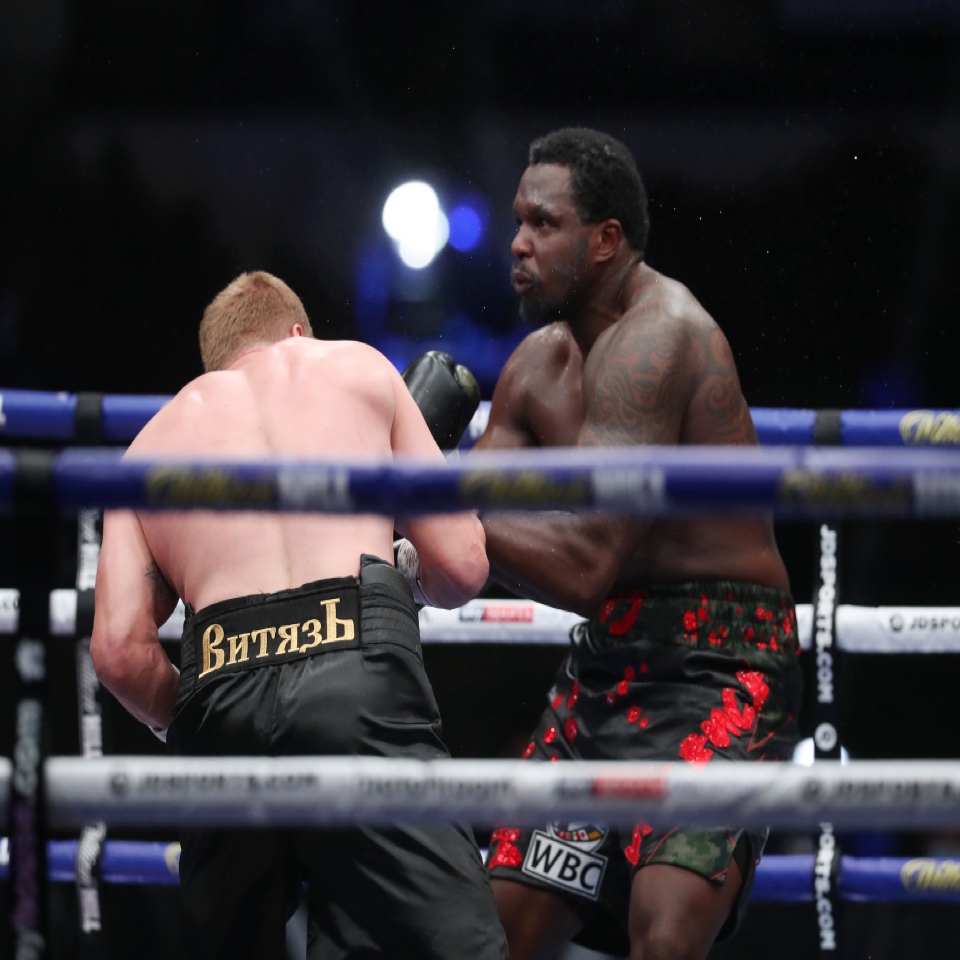
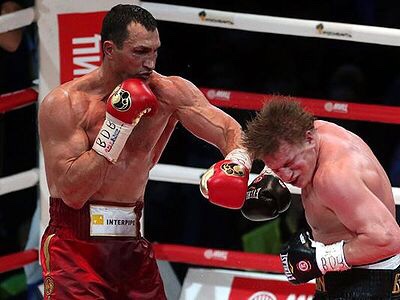
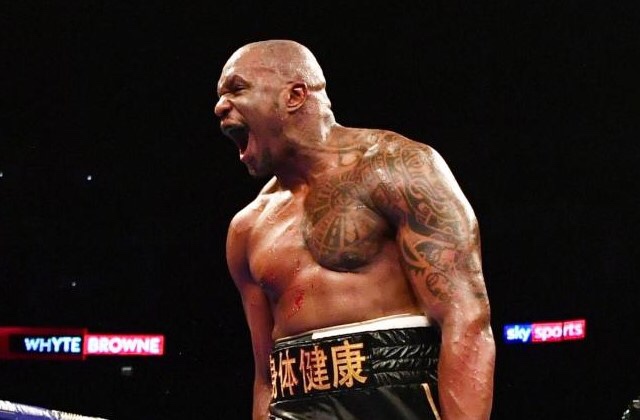
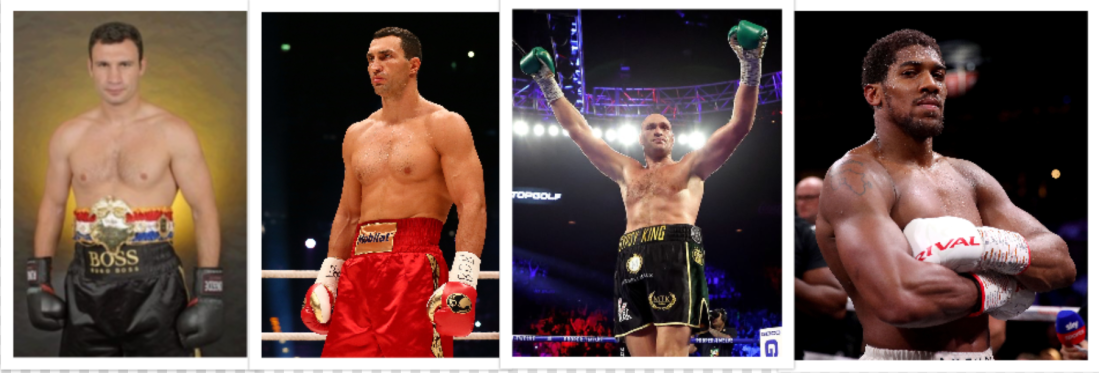
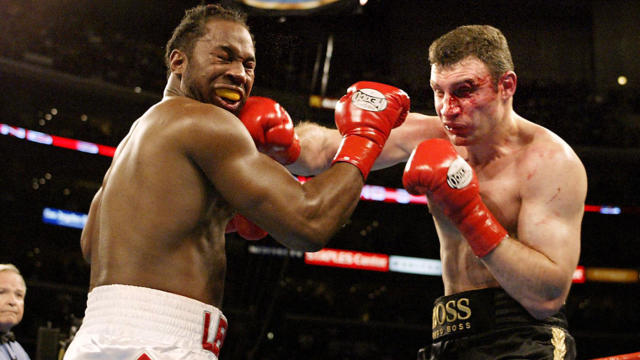
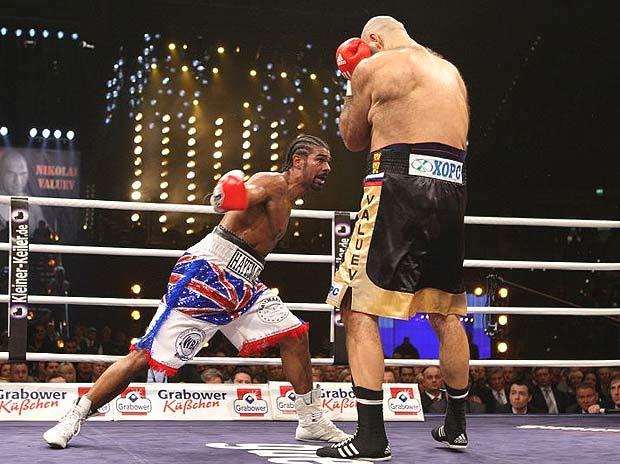
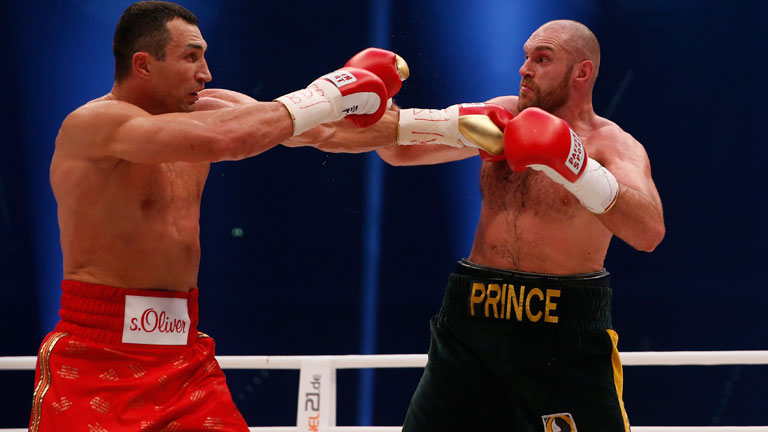
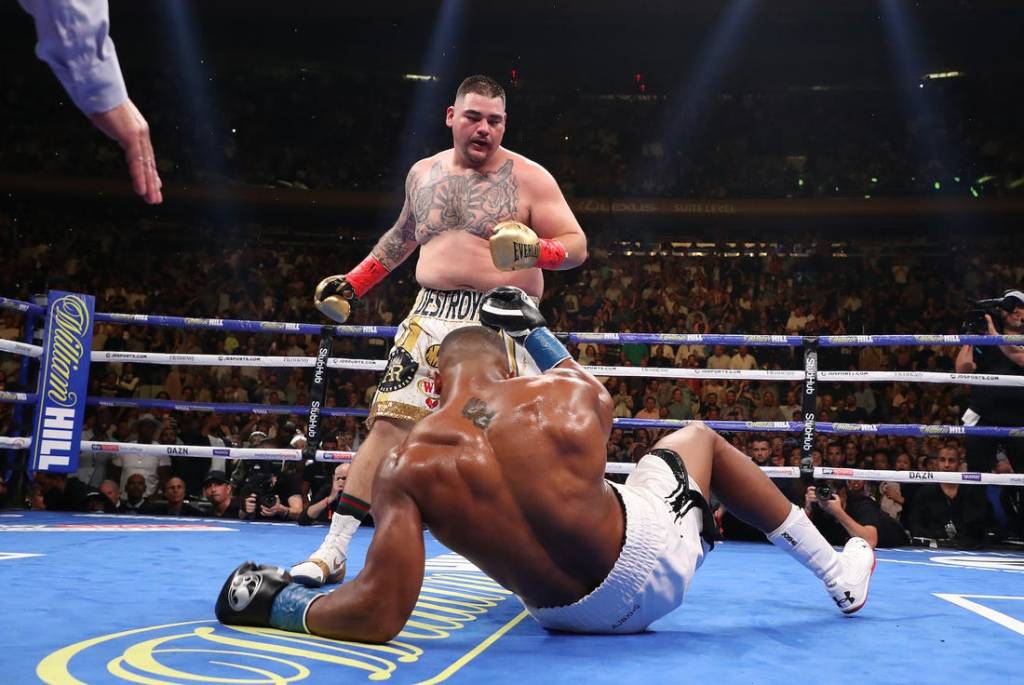
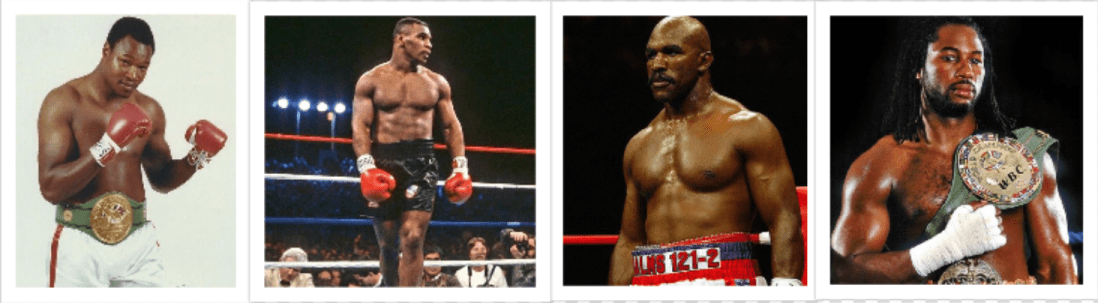
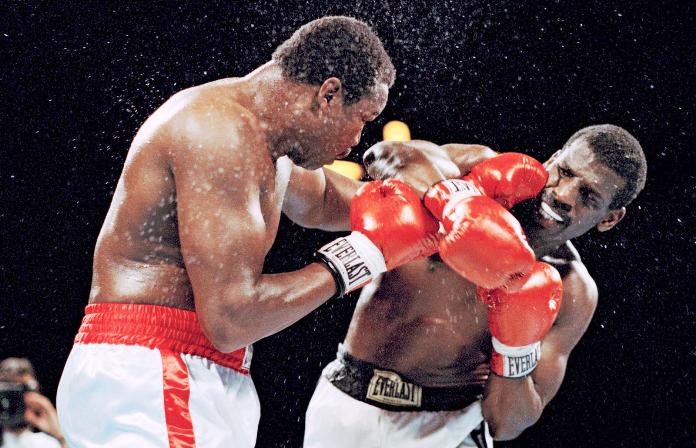
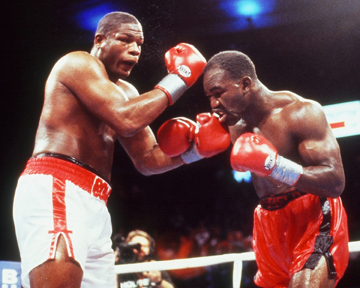
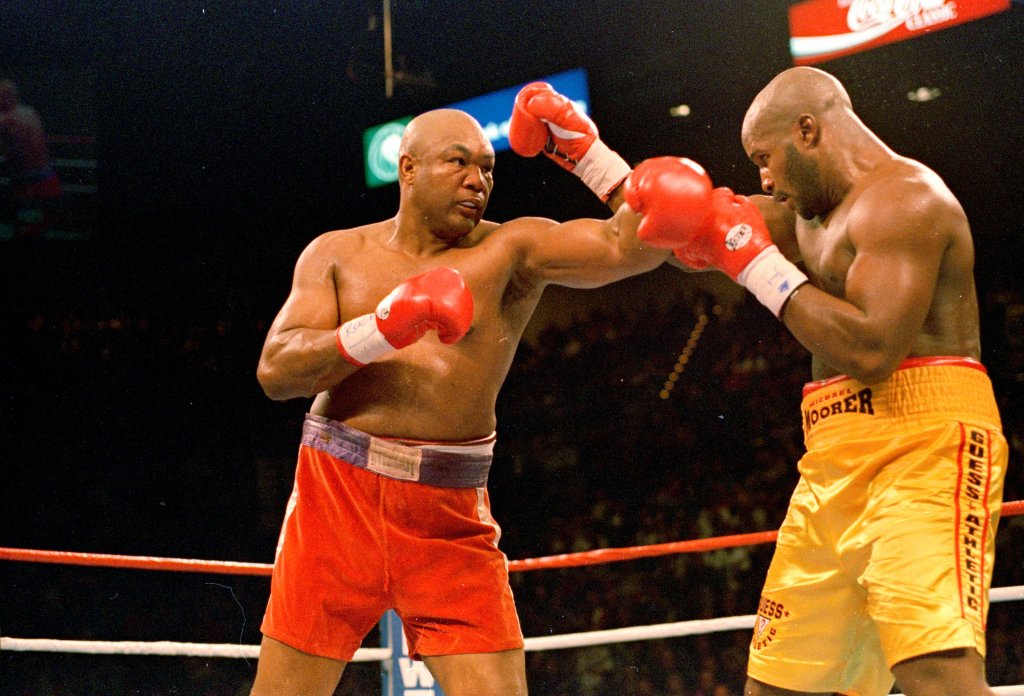
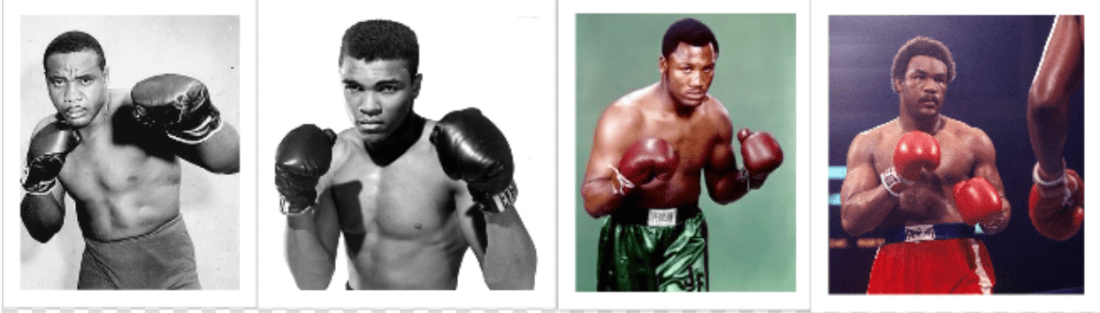
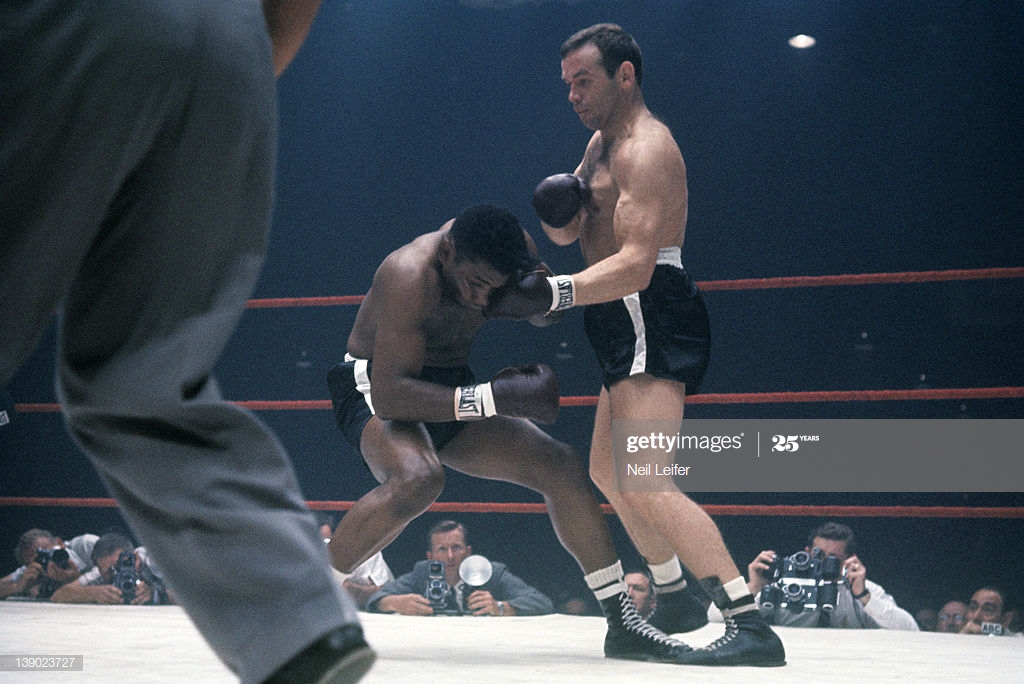
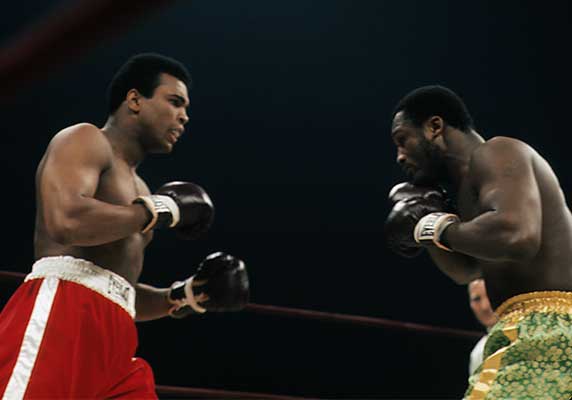
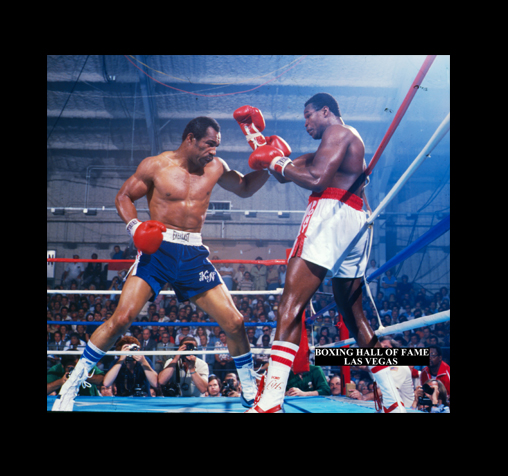
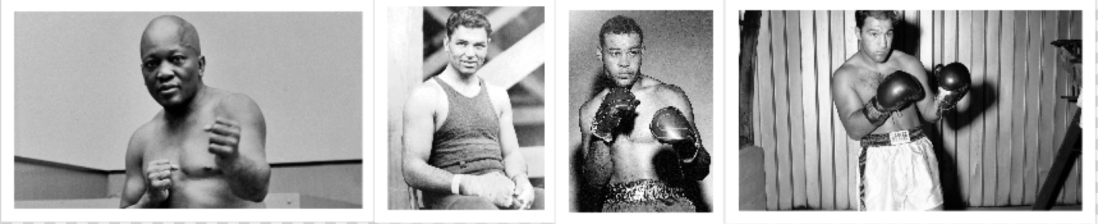

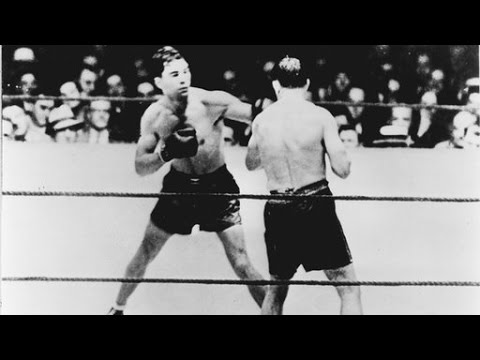
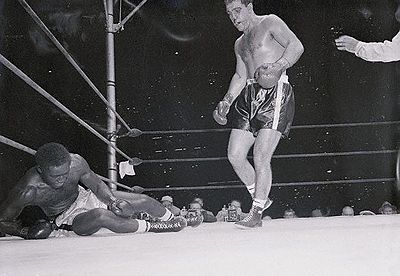
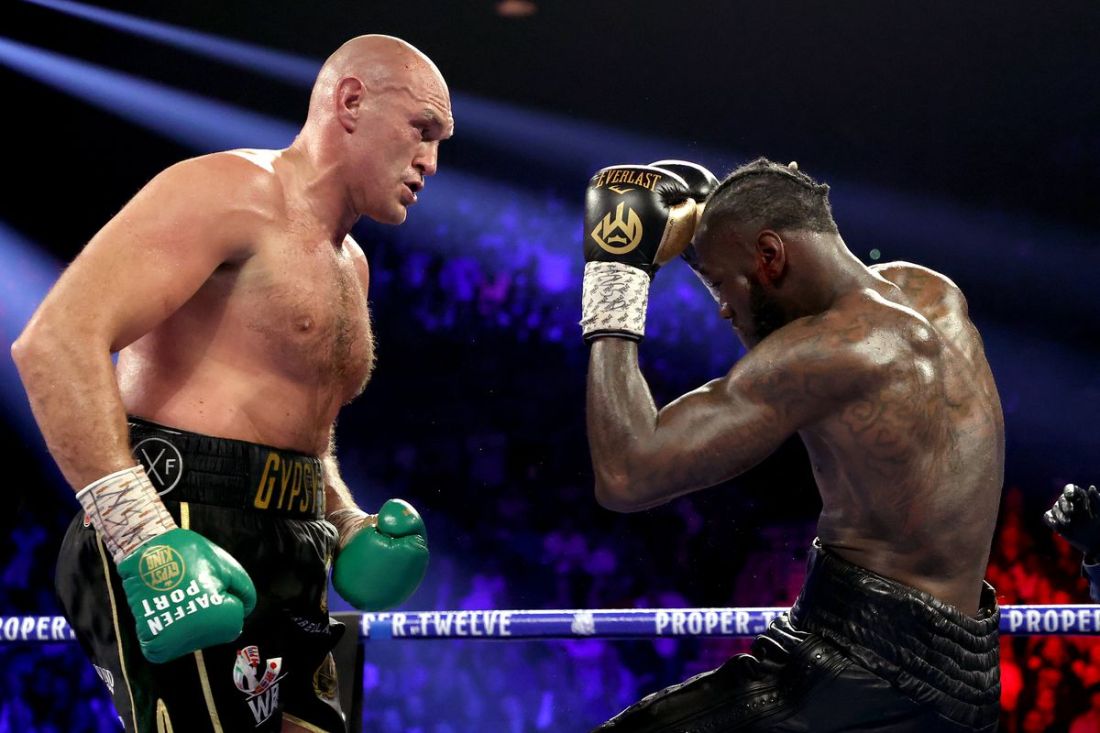
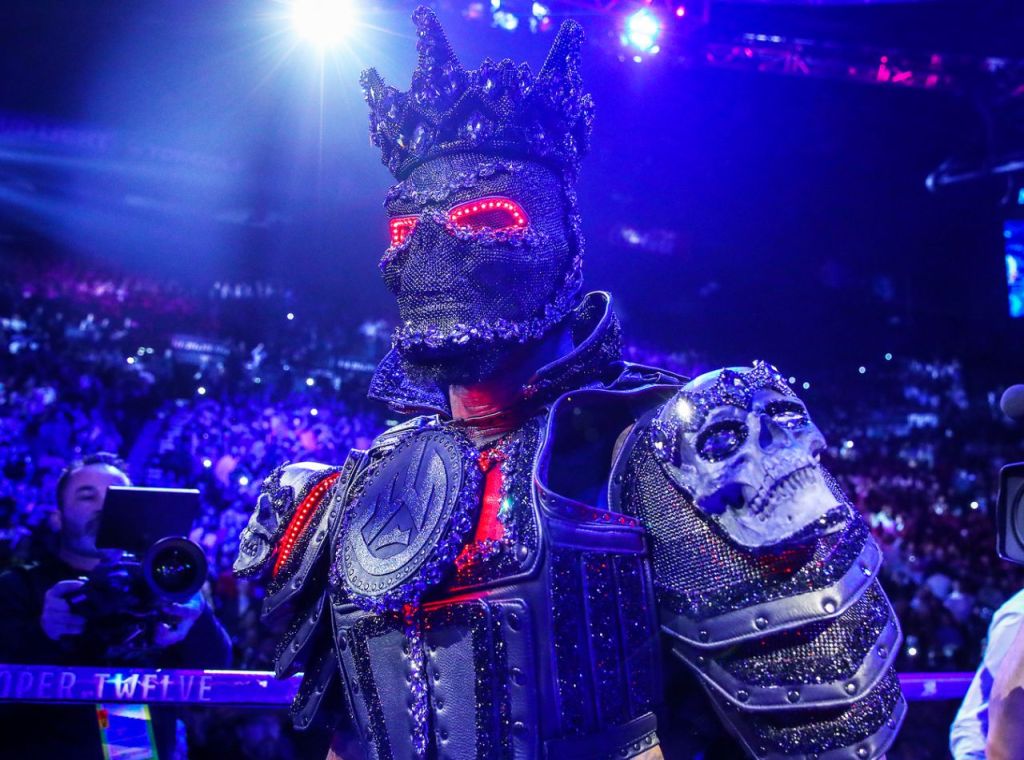
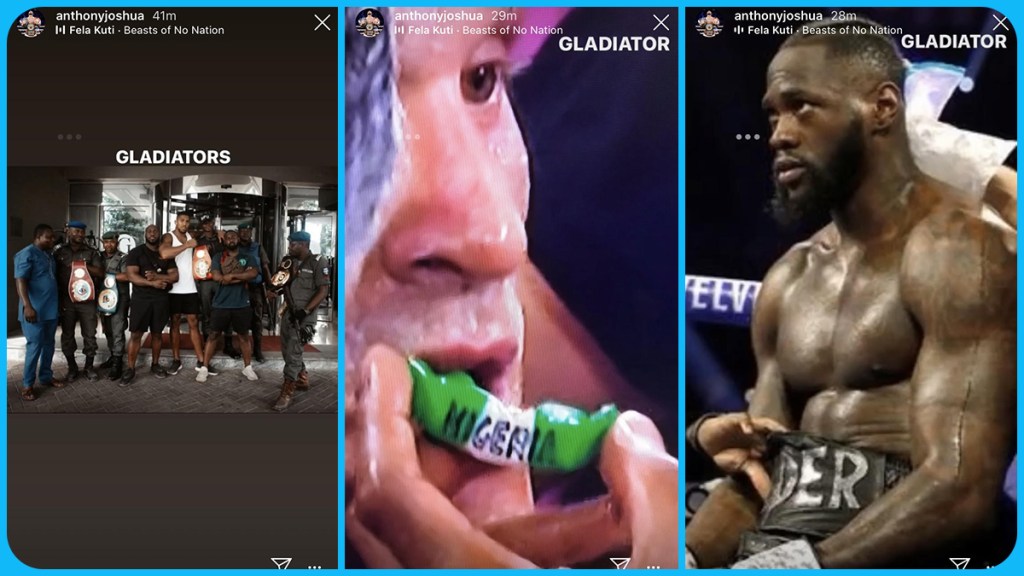
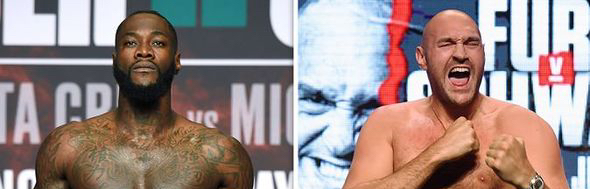
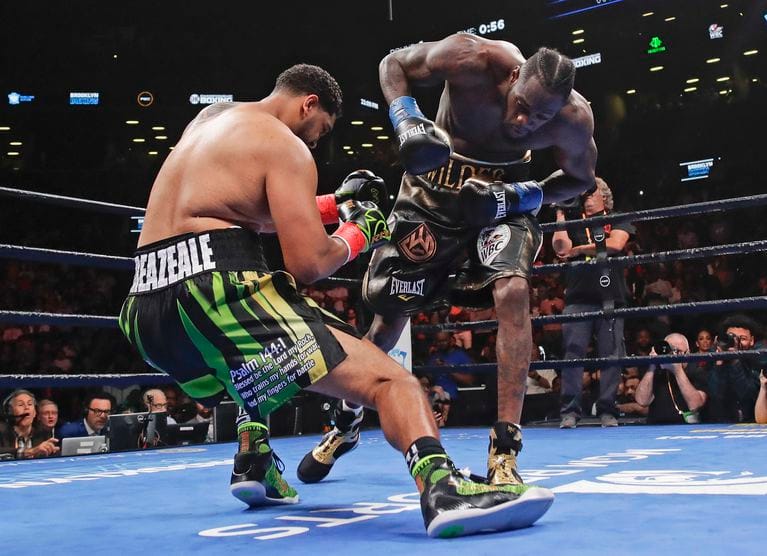
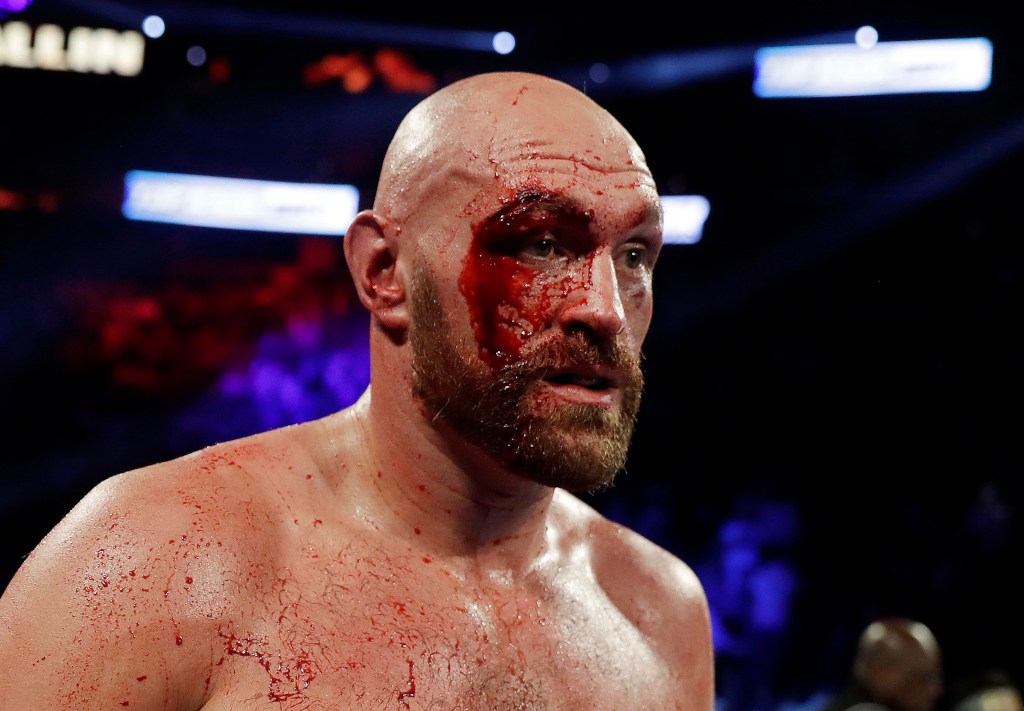
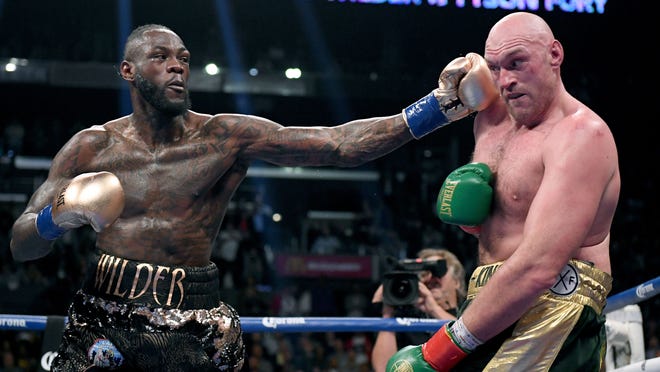
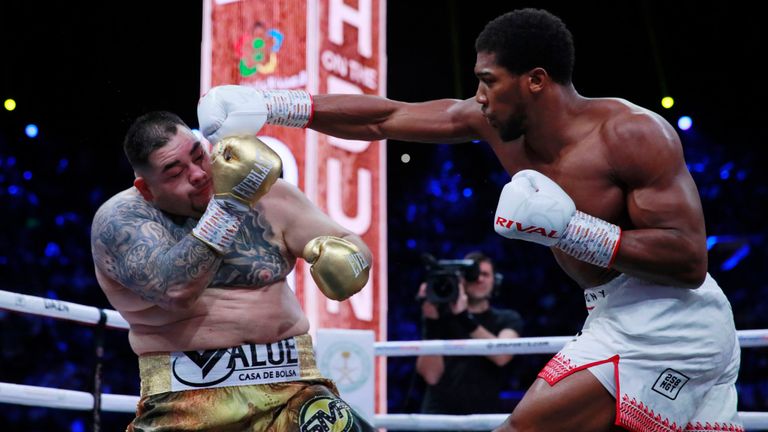
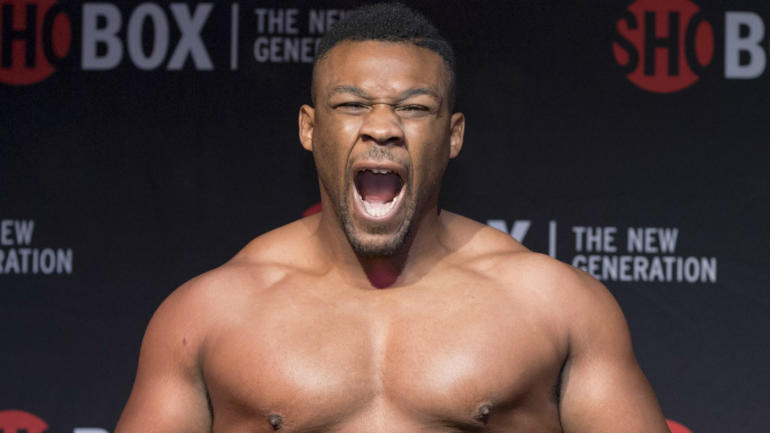
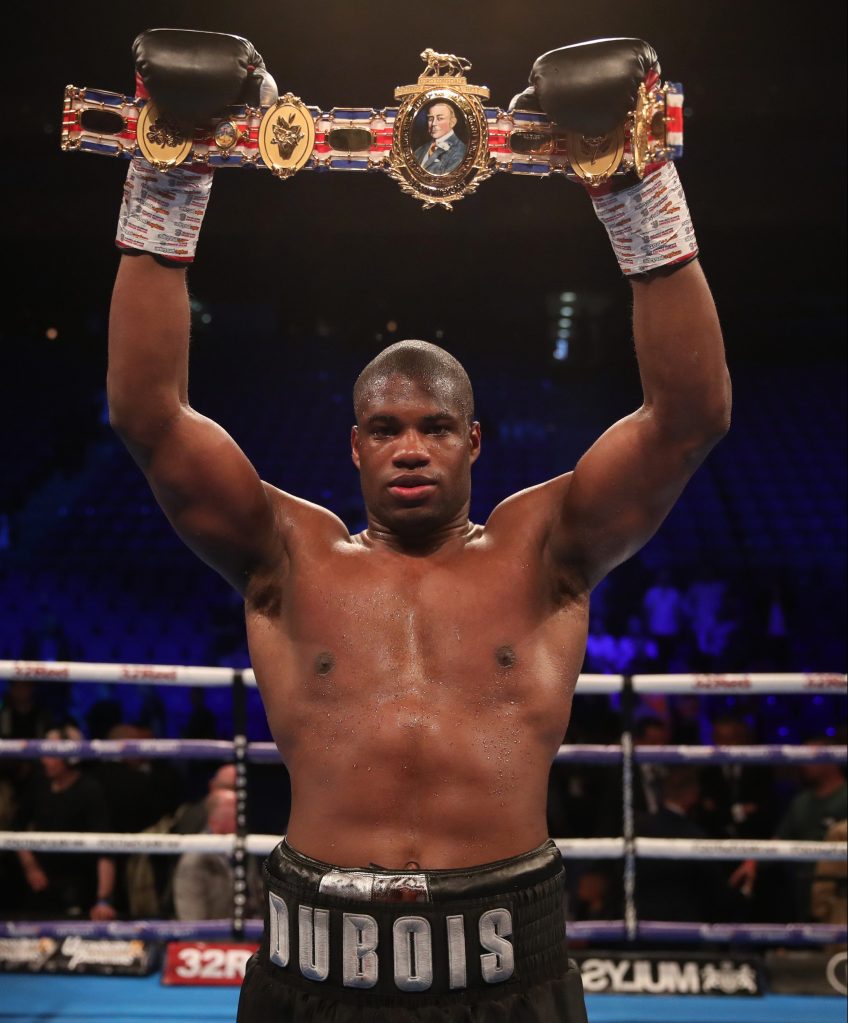
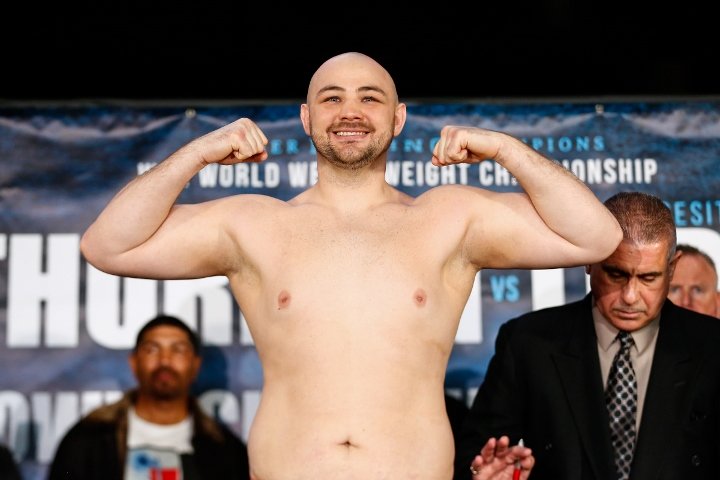
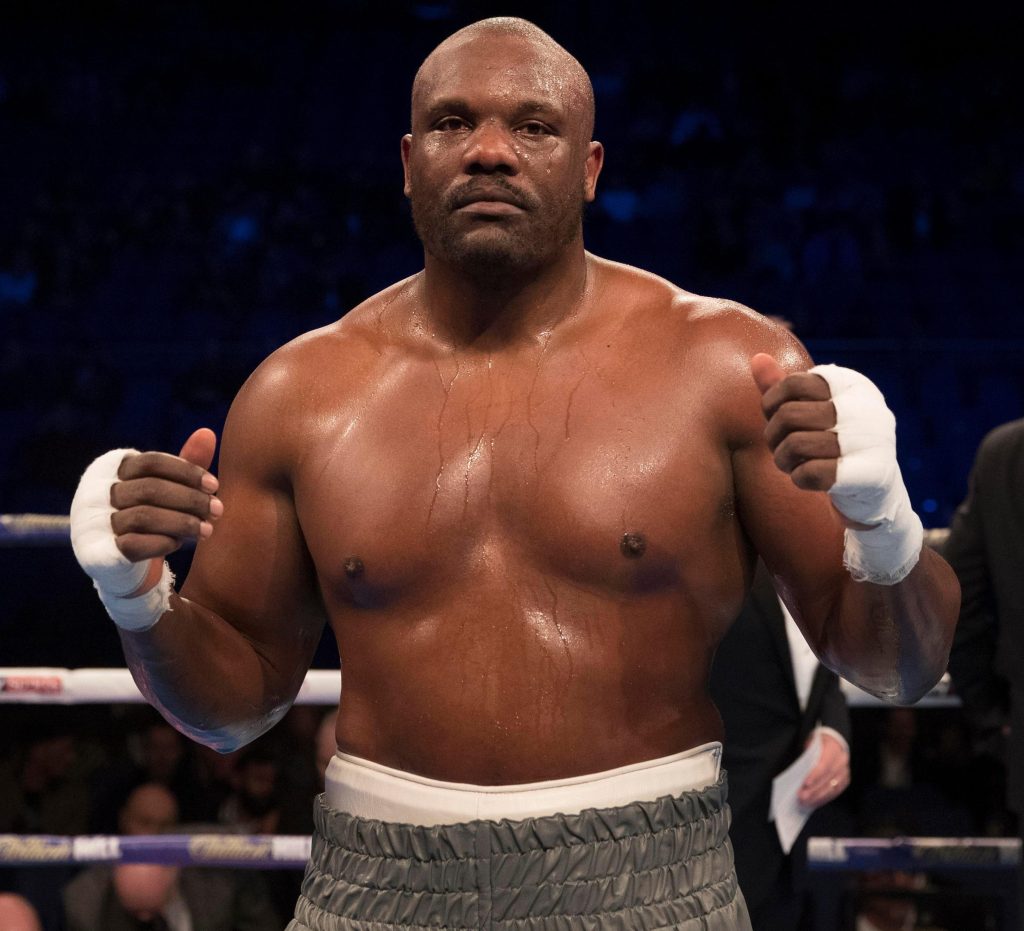

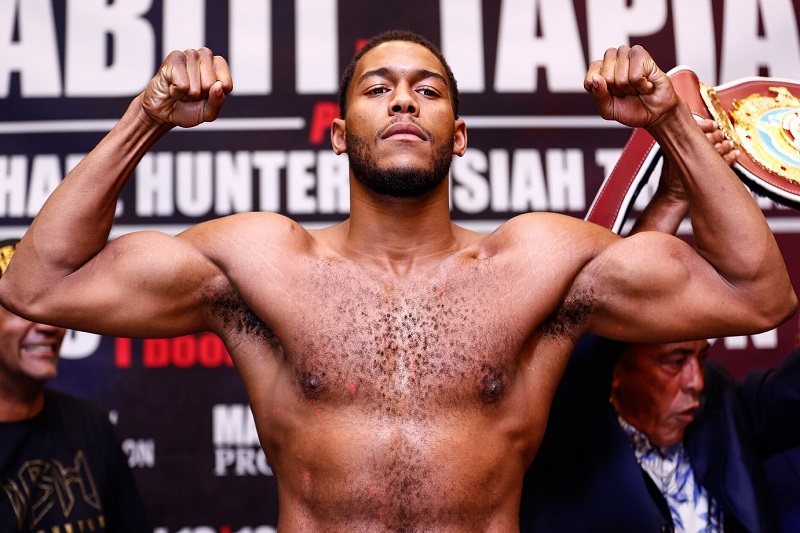
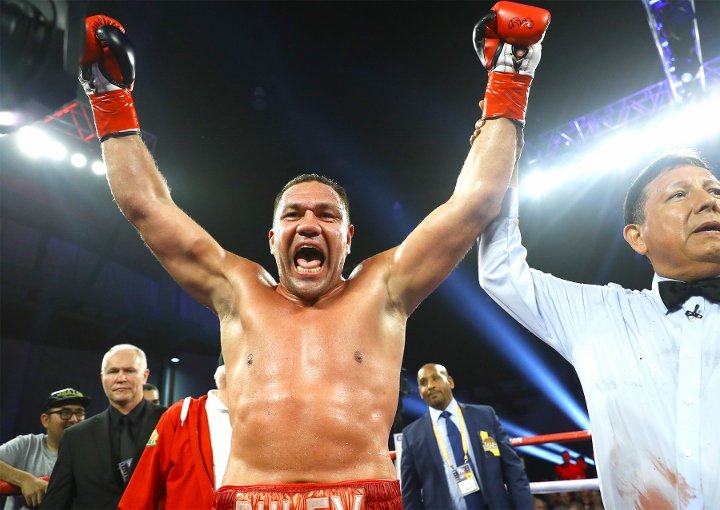
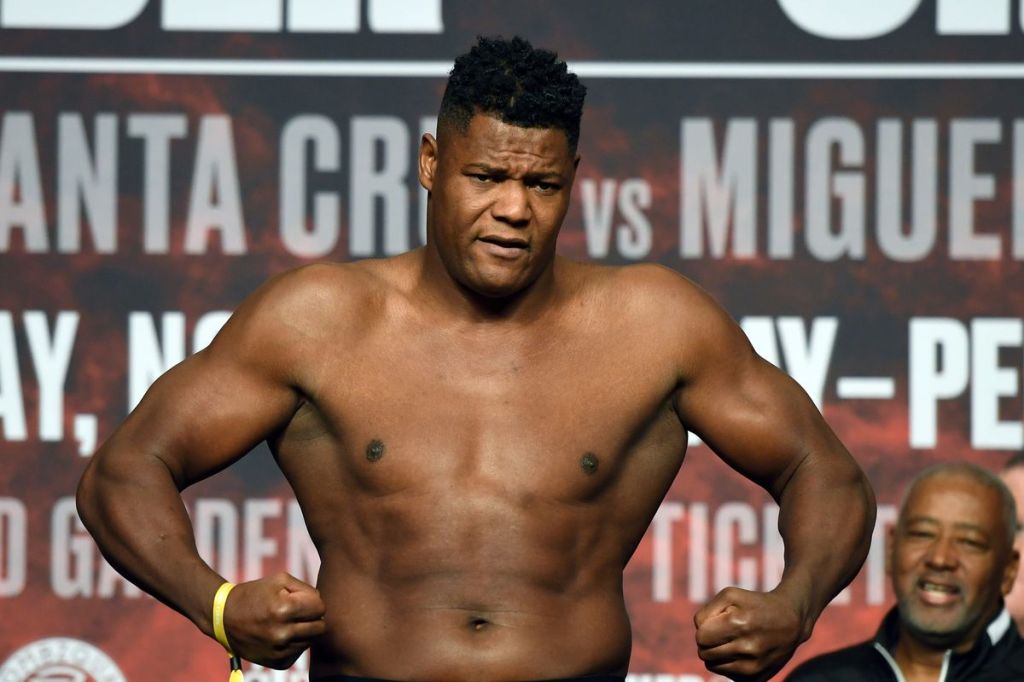
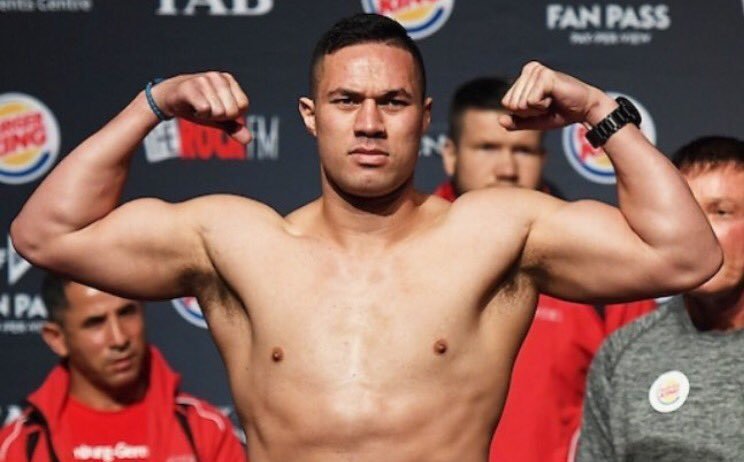
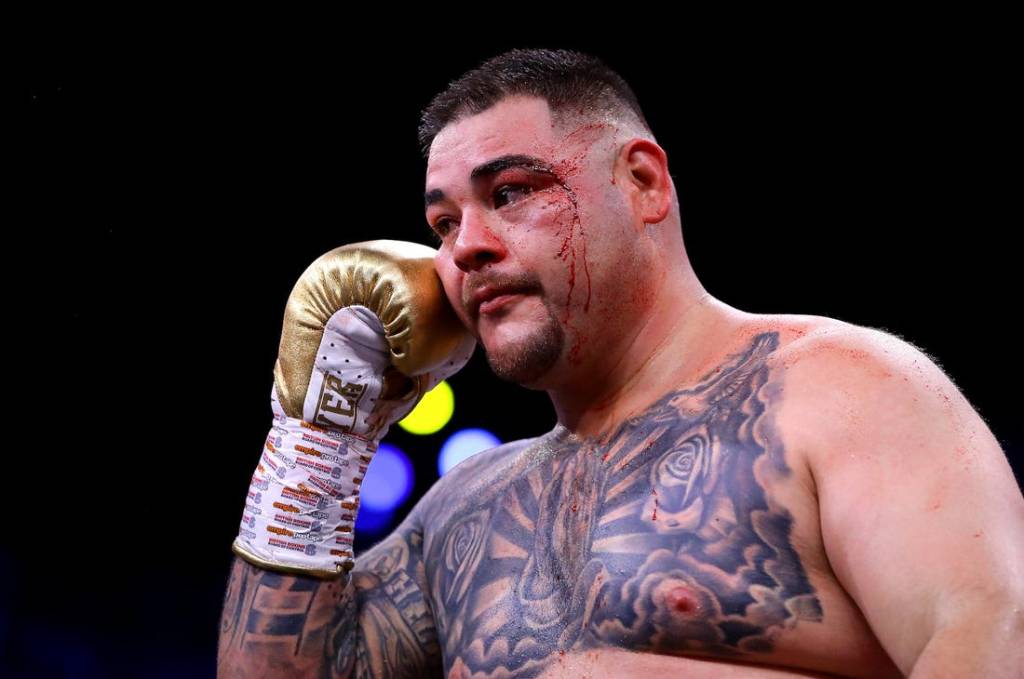
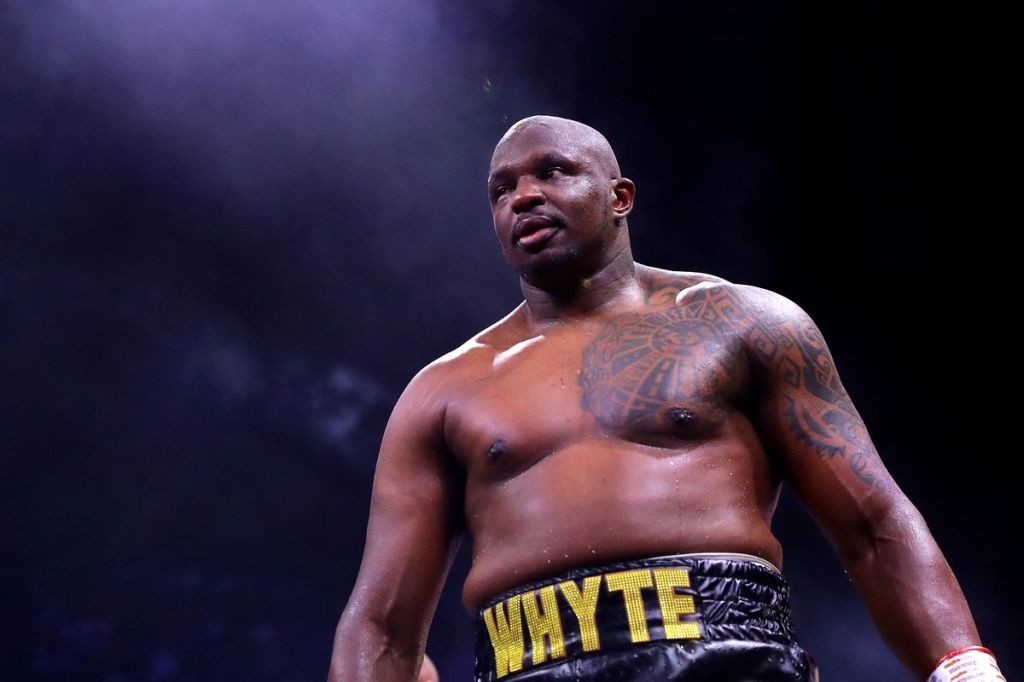
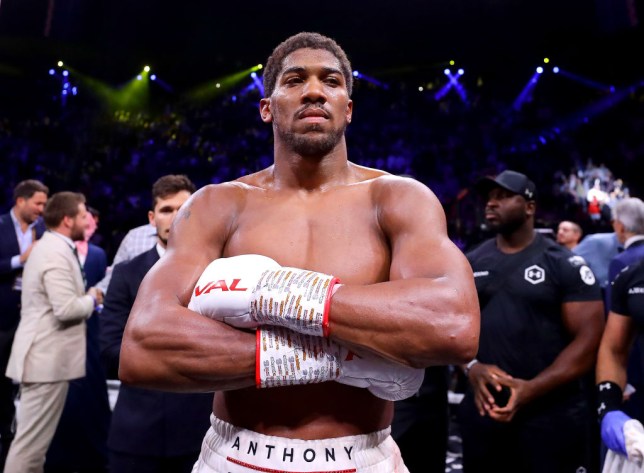
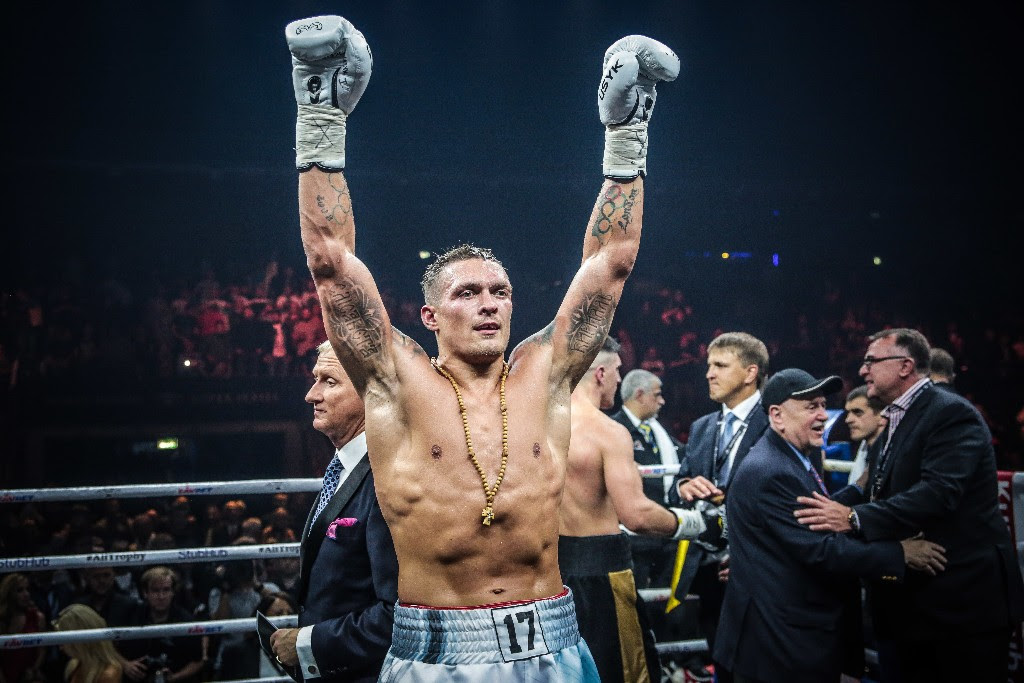
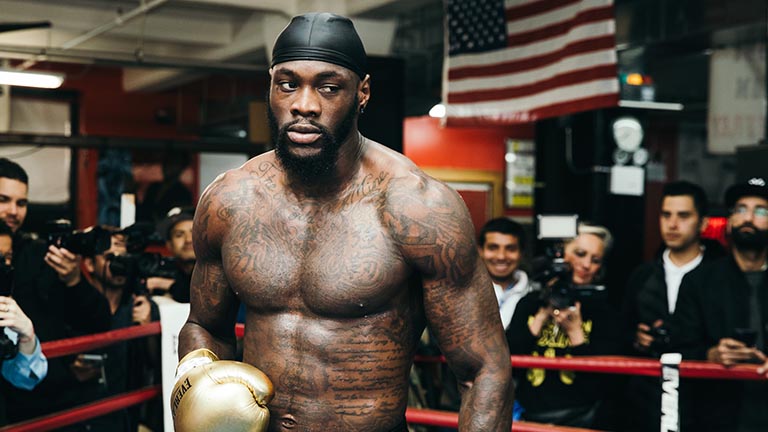
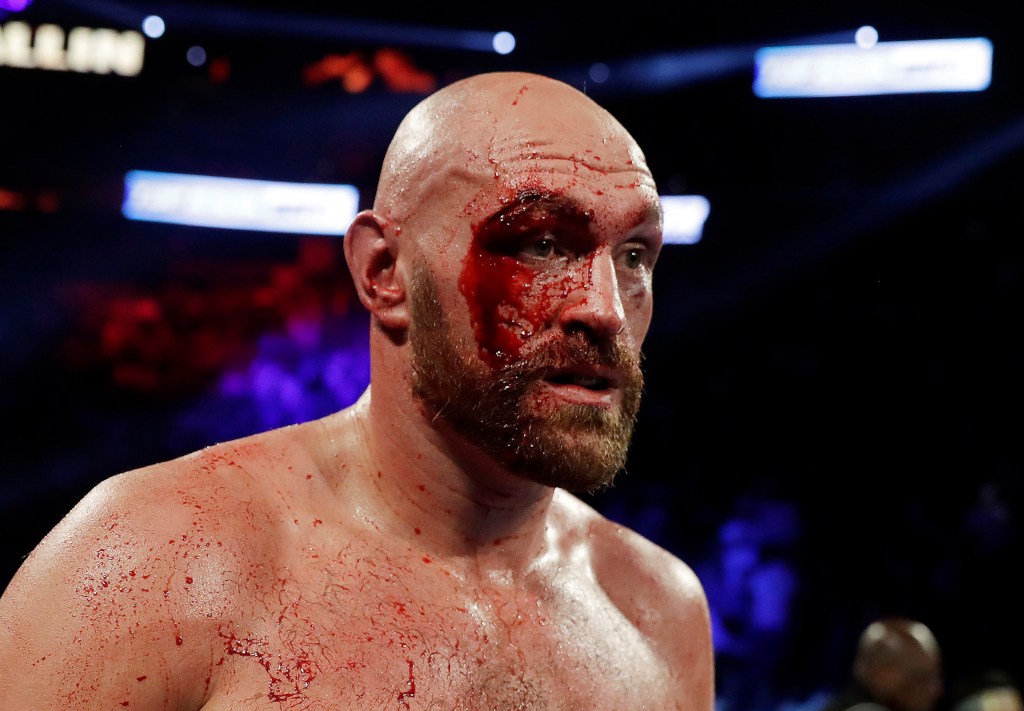
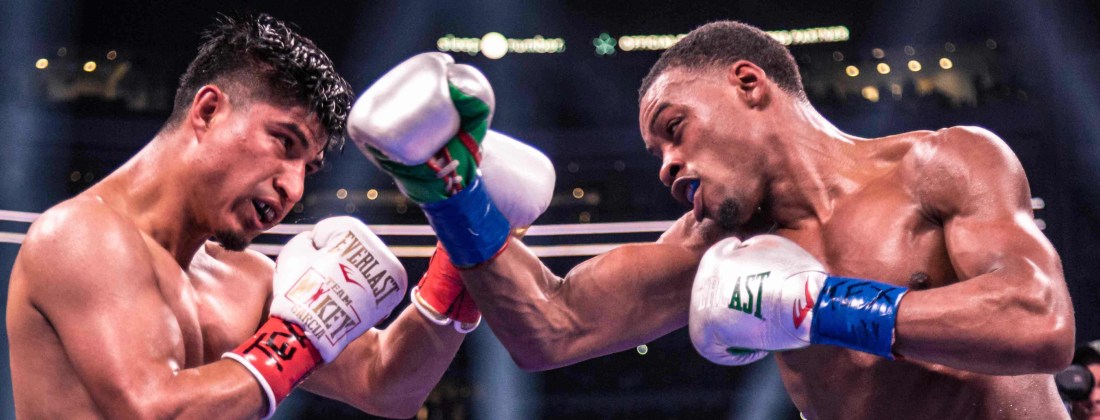
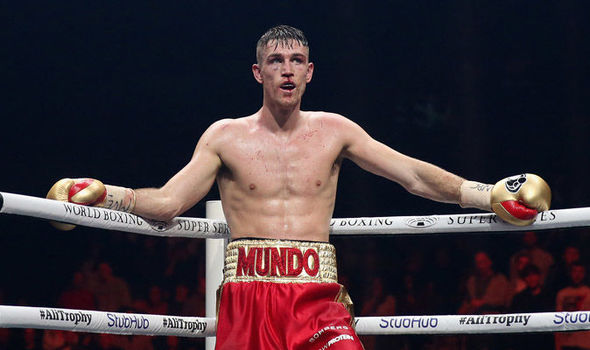

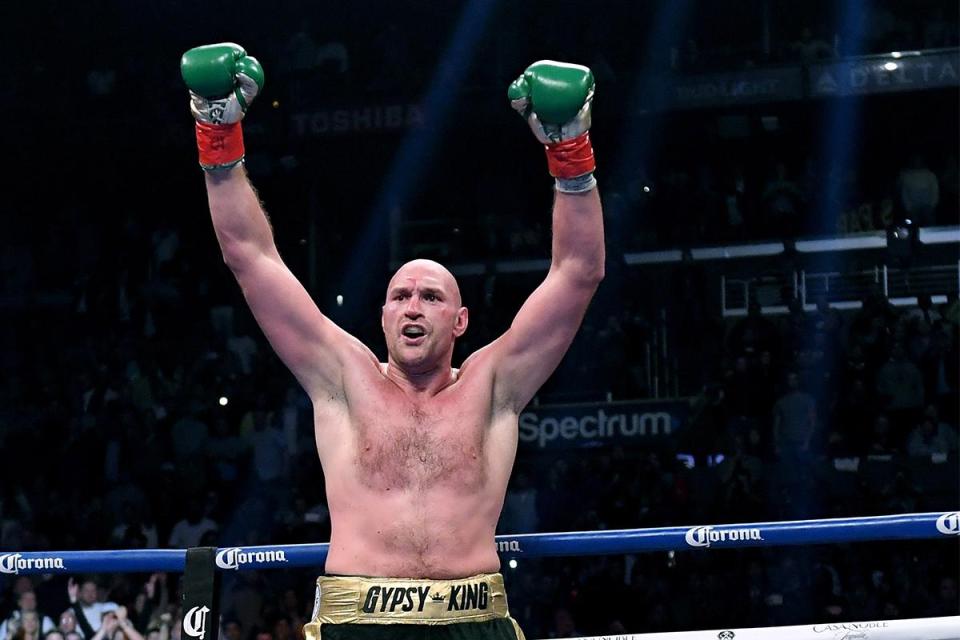
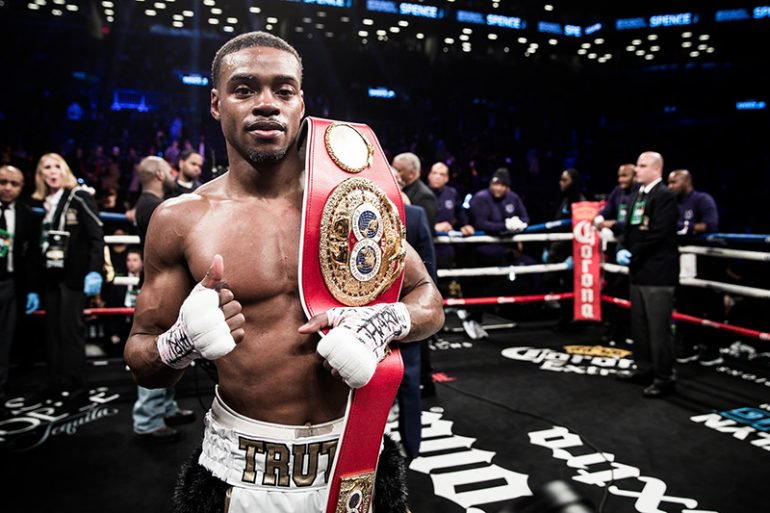

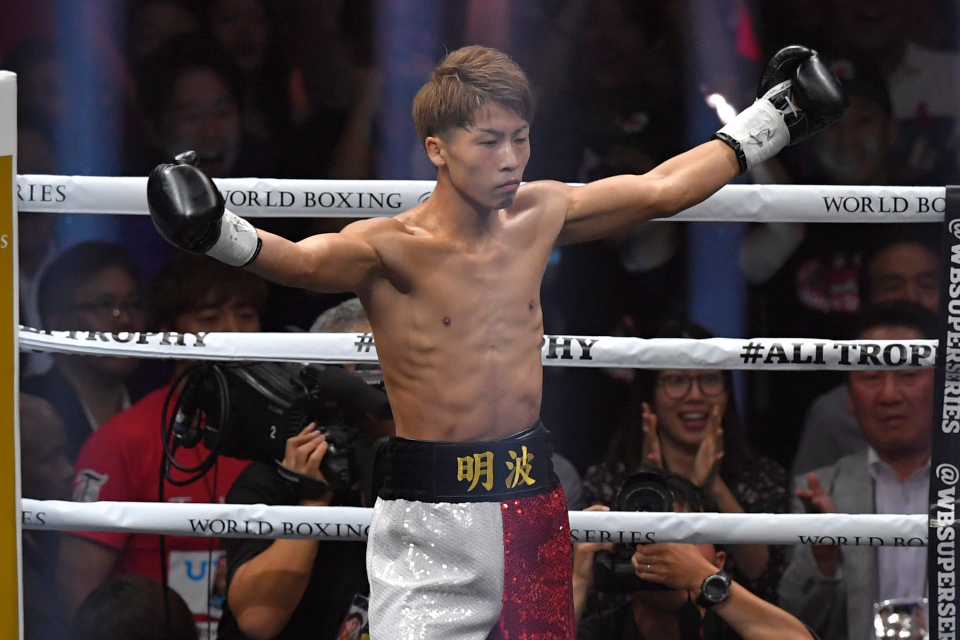
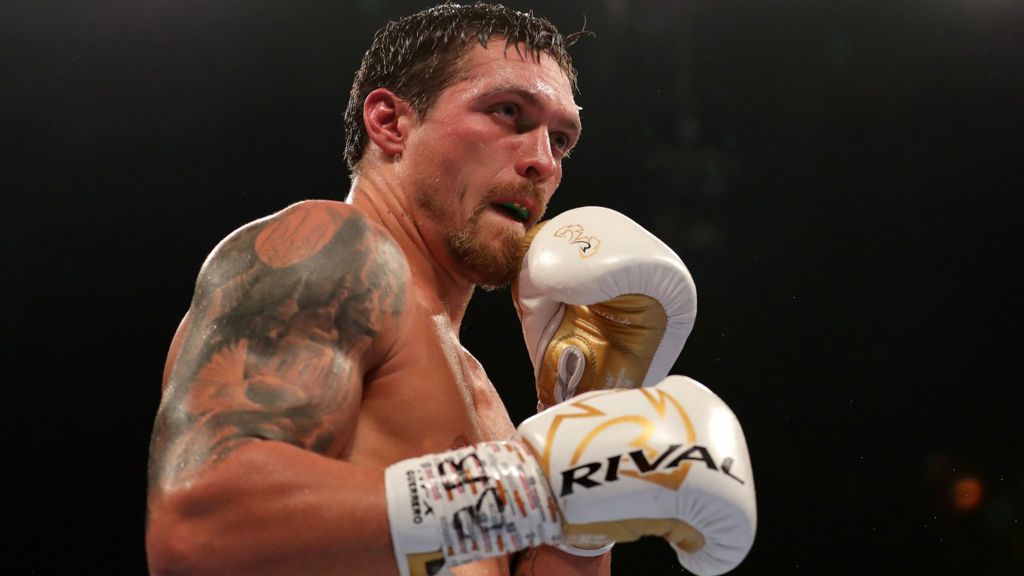
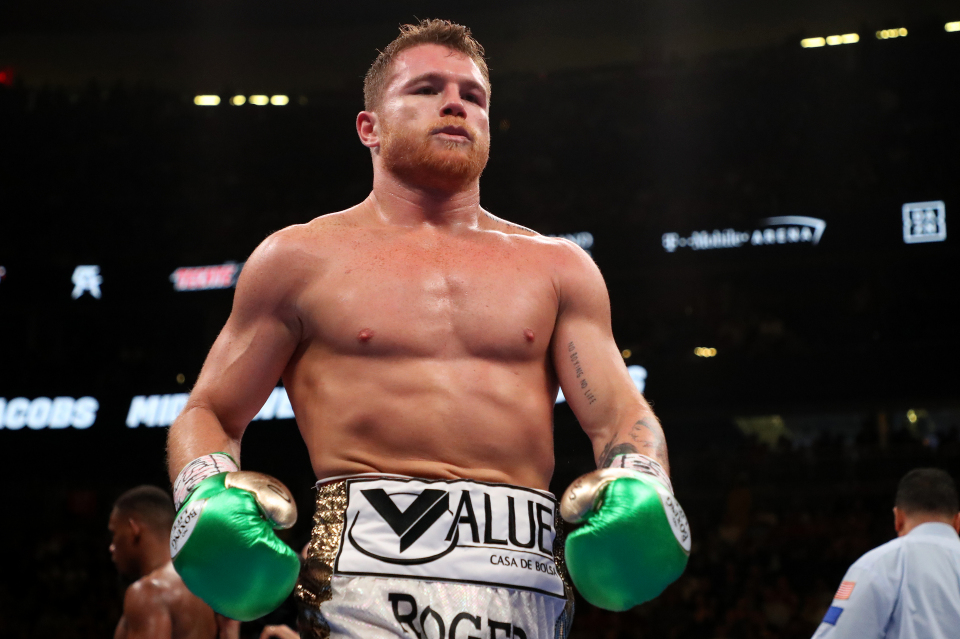
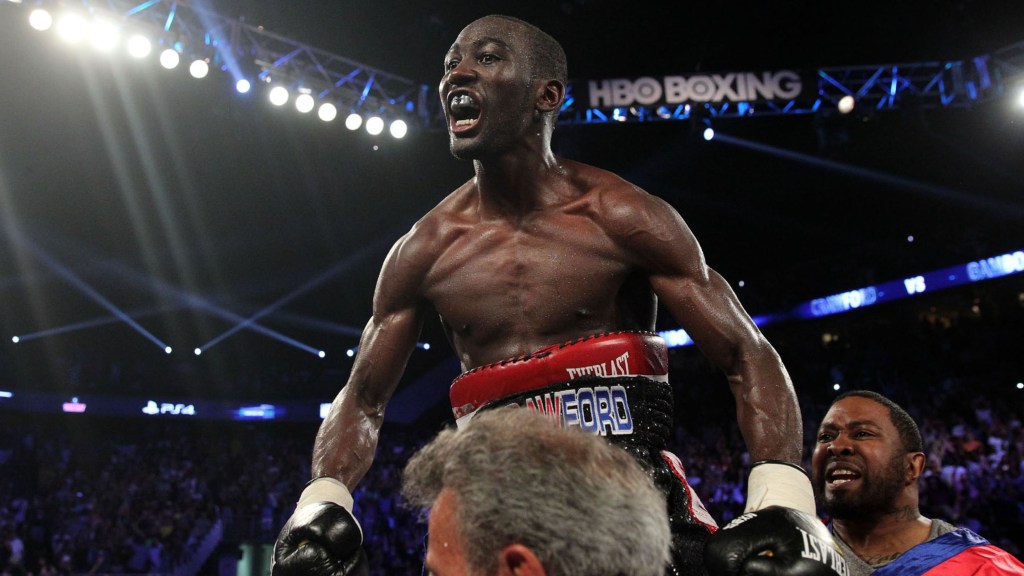
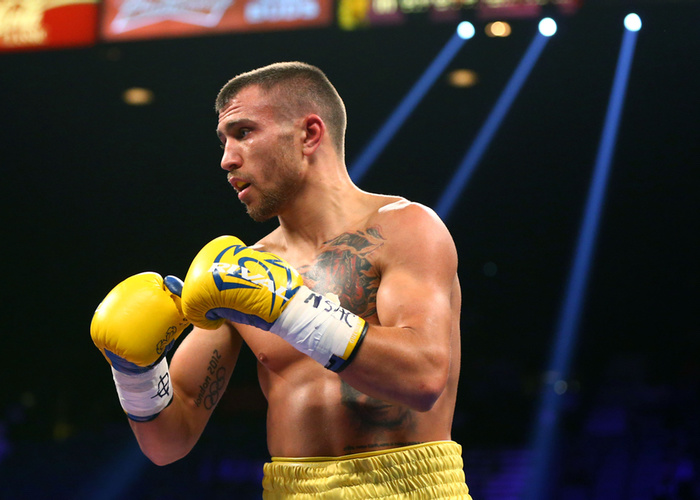
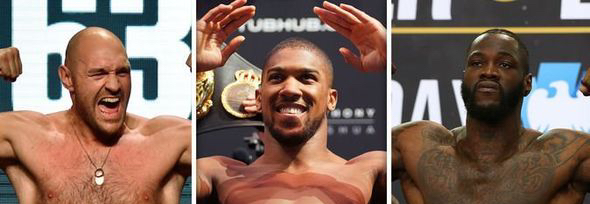

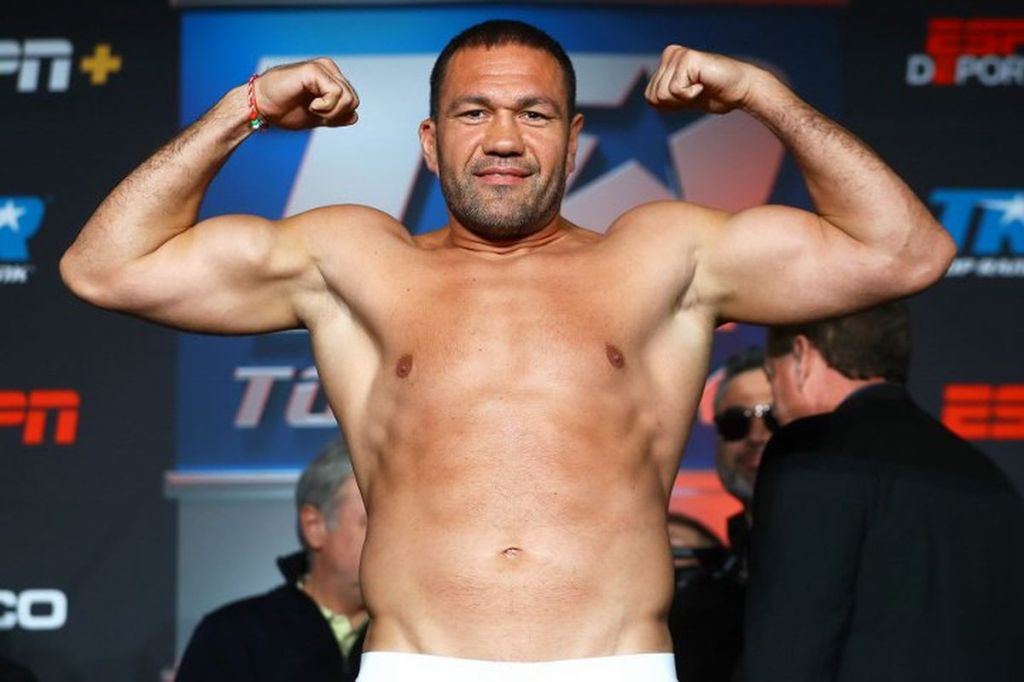
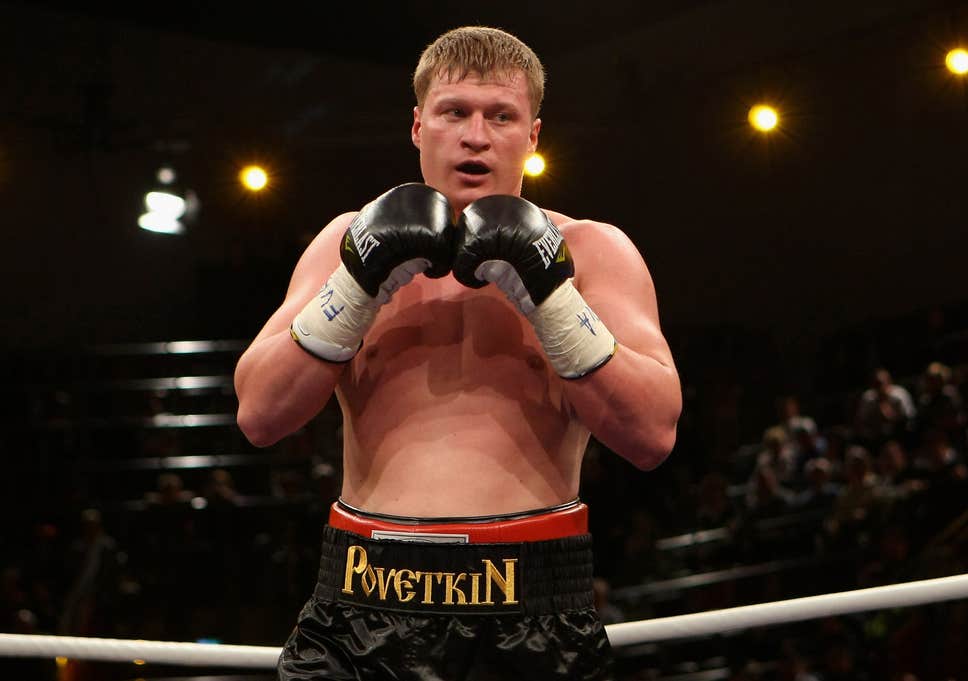
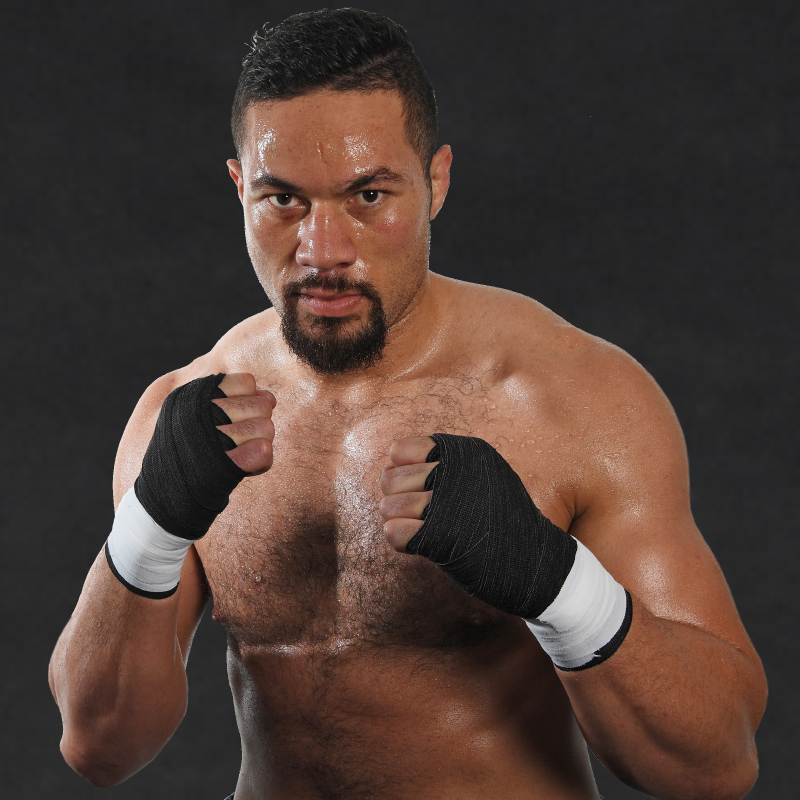
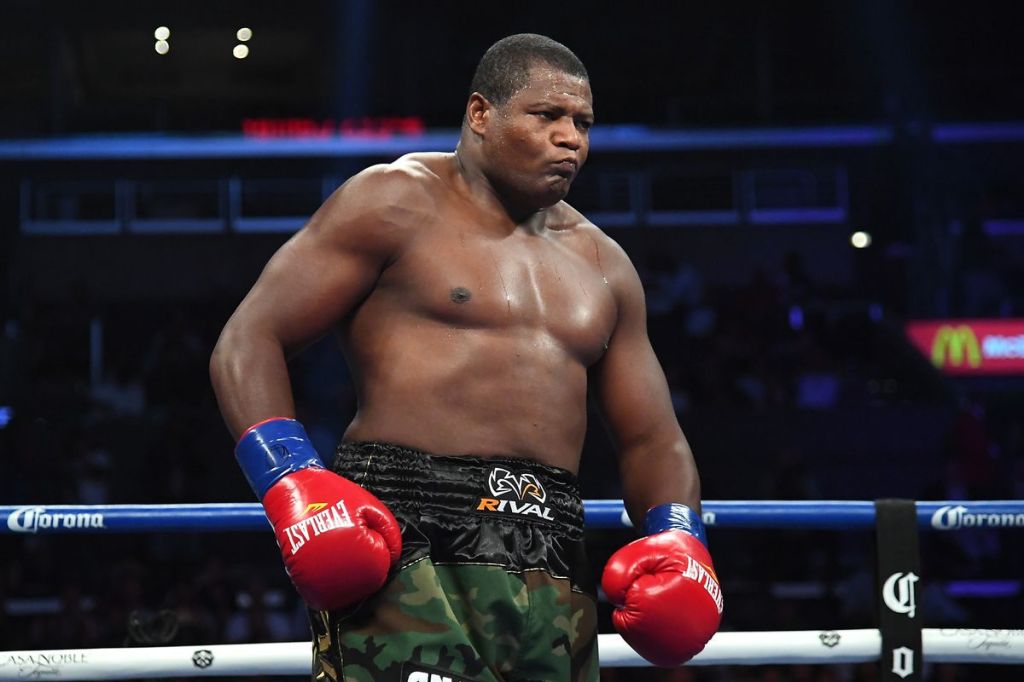
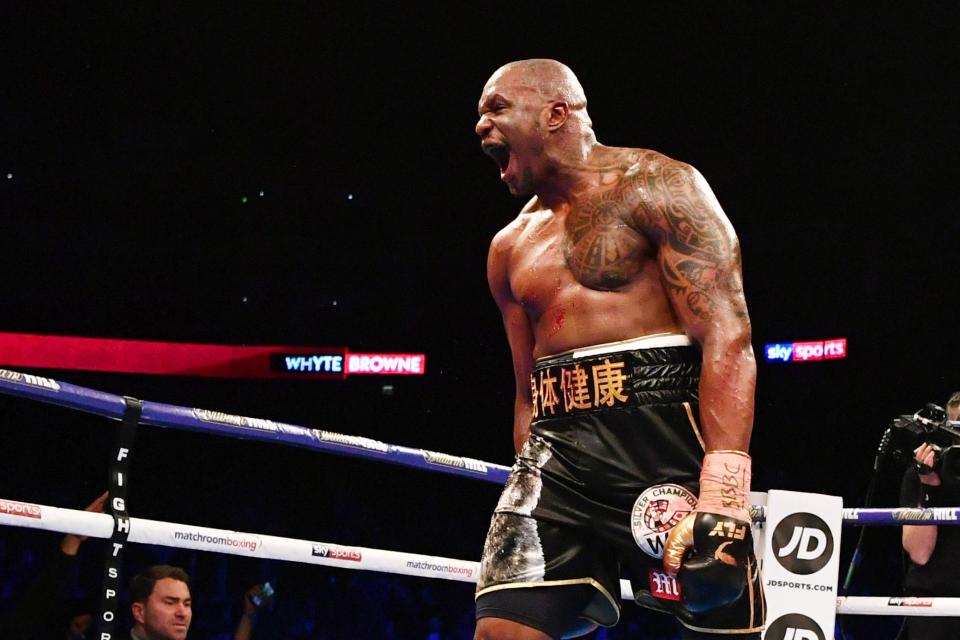
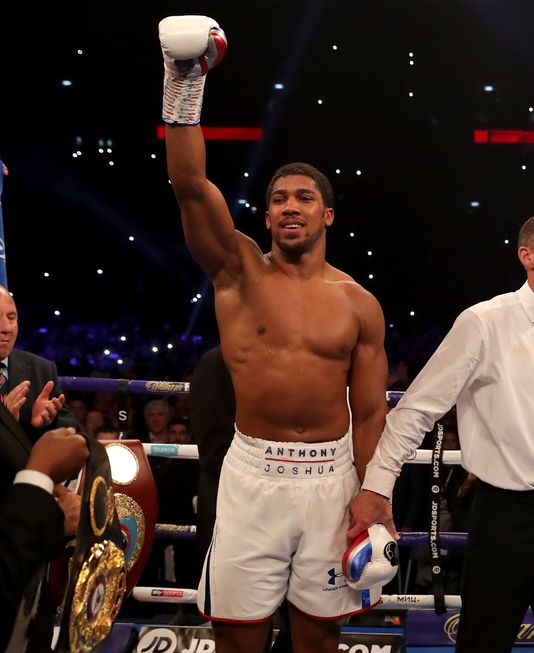
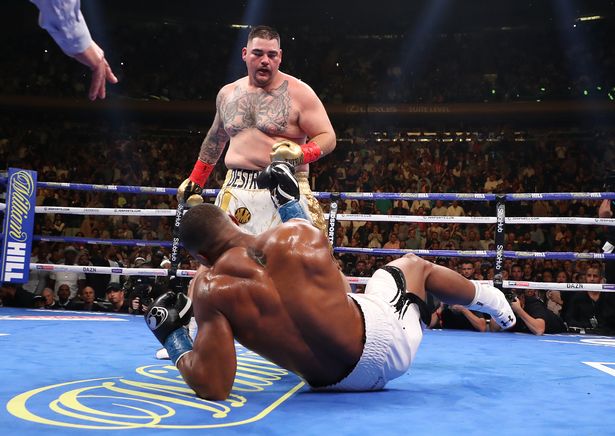

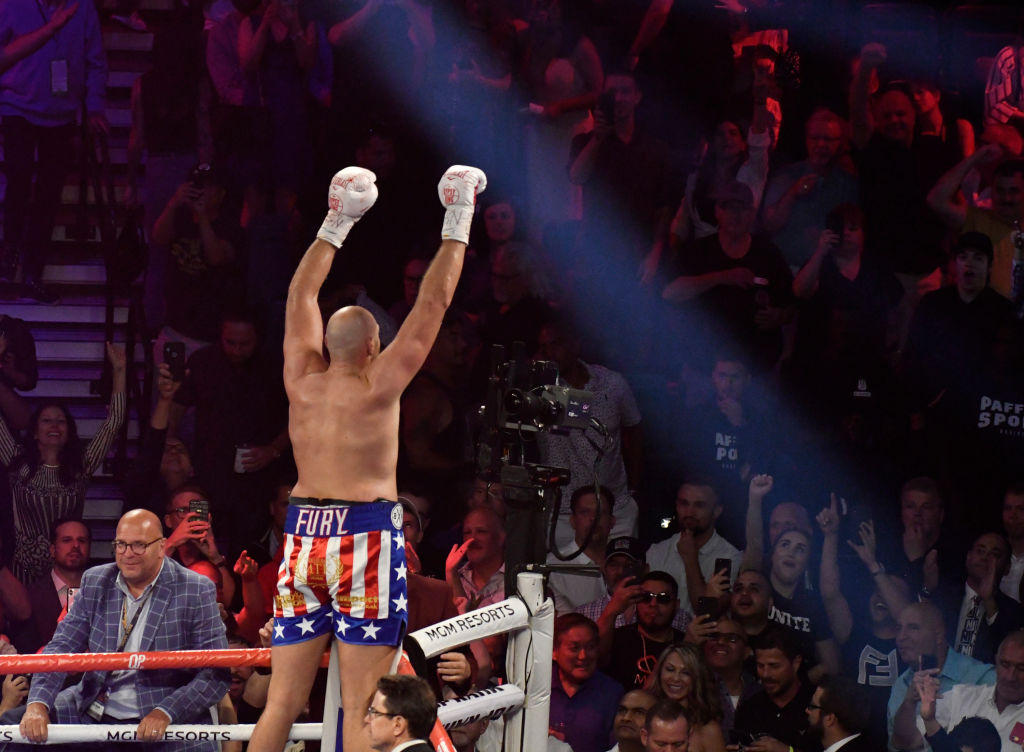
 The Knockout Blog